54 albums · 1944–2023
Salsa, from Cuban son and mambo to Fania's New York, Puerto Rico, Colombia, salsa romántica and today
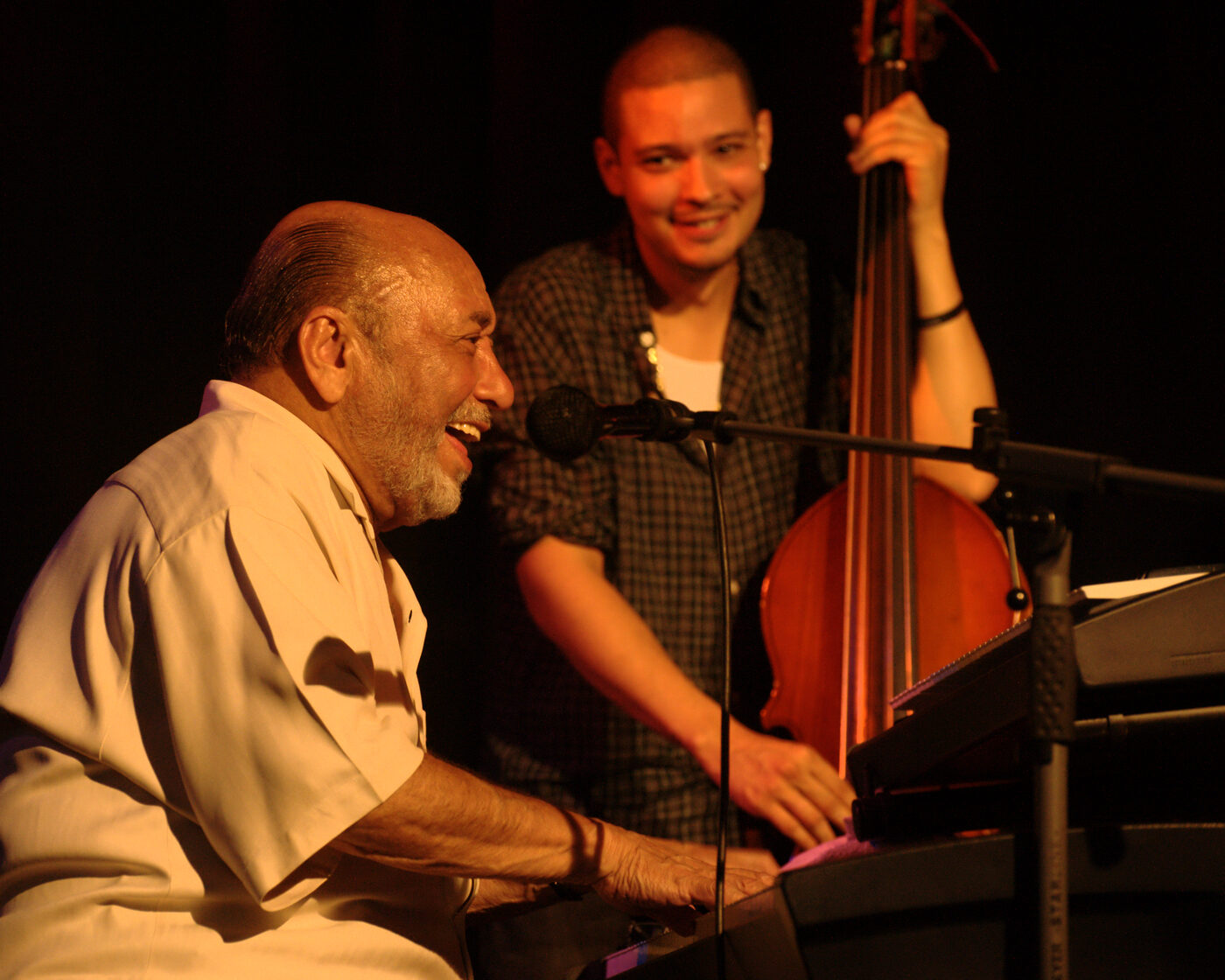
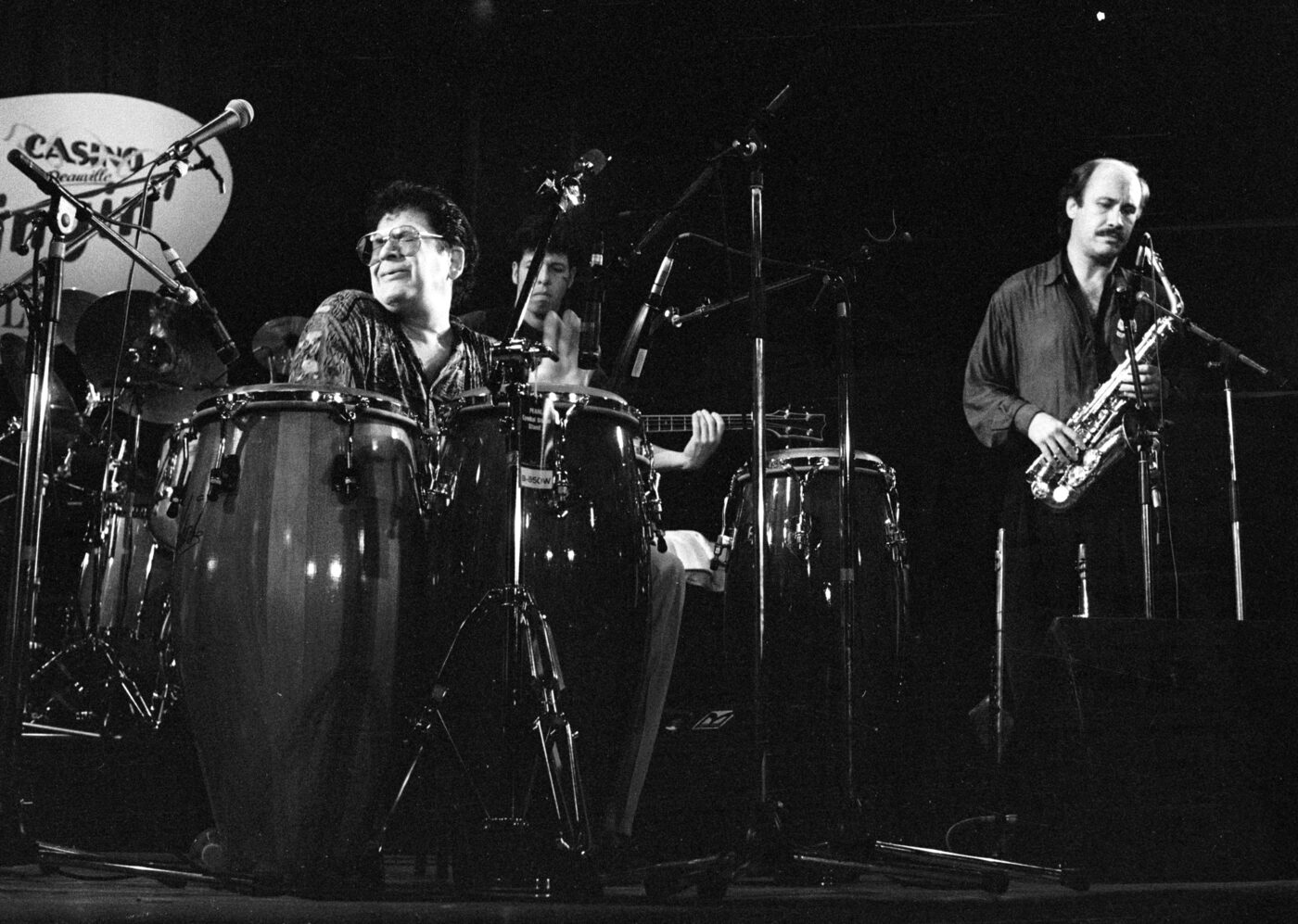
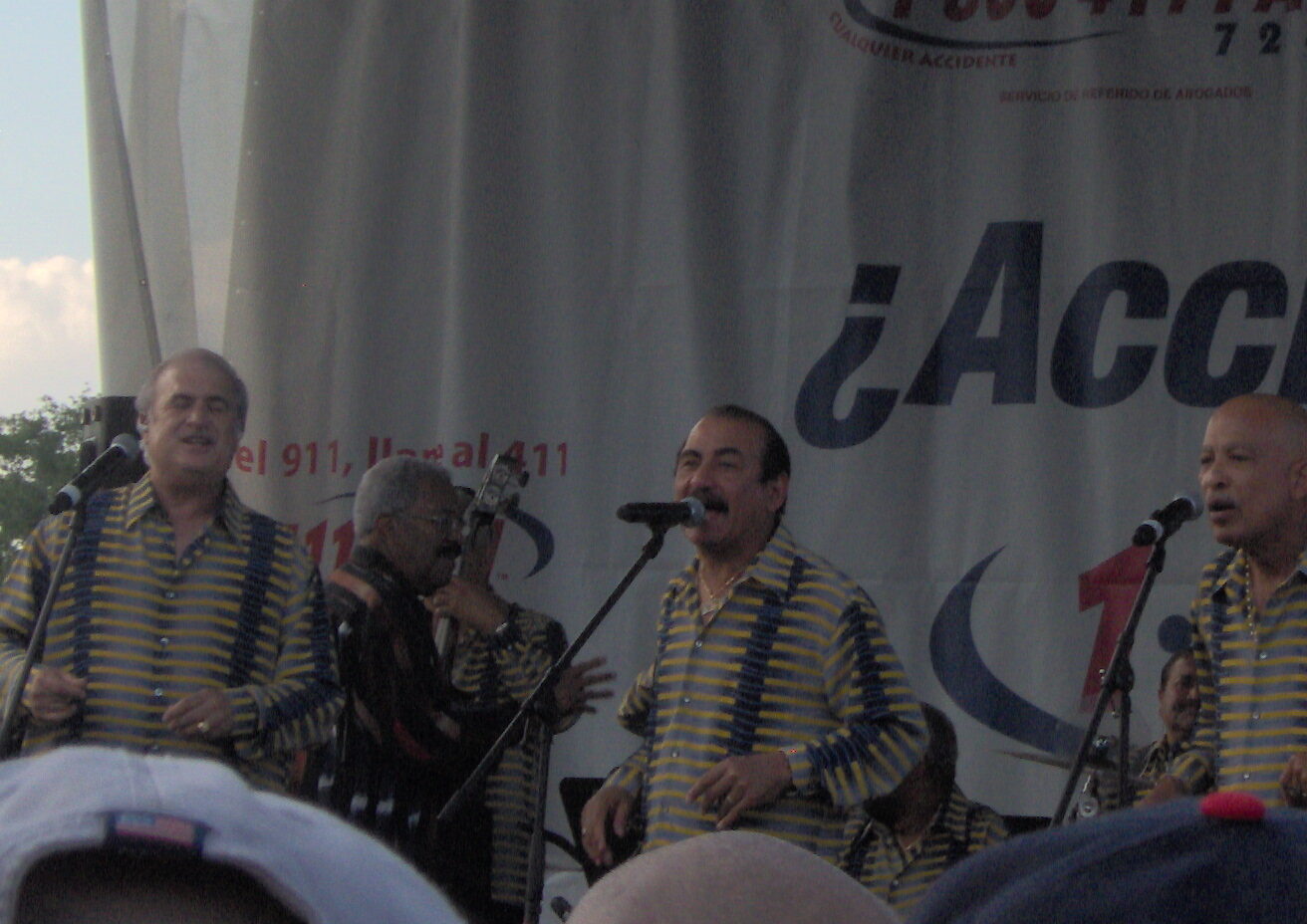


Salsa grew out of Cuban son, which Arsenio Rodríguez in Havana gave a heavier sound with congas, piano and trumpets in the forties, and out of the mambo that Pérez Prado, Machito and Tito Puente played with big bands in Mexico City and New York in the fifties. In the sixties Puerto Rican and Cuban musicians in New York mixed this music with jazz and soul, first in boogaloo and then on the records of Fania, the label Johnny Pacheco and Jerry Masucci started in 1964, and by the early seventies it was sold as salsa.
From Cuba come Arsenio Rodríguez, Beny Moré, Cachao and Celia Cruz with La Sonora Matancera, and from the New York of the fifties Tito Puente and Machito. Eddie Palmieri's La Perfecta follows, the boogaloo of Joe Cuba, Pete Rodríguez and Joe Bataan, and the Fania records of Willie Colón and Héctor Lavoe, Ray Barretto, Cheo Feliciano, Celia Cruz with Johnny Pacheco, the Fania All Stars at the Cheetah, Larry Harlow's Hommy and Siembra by Willie Colón and Rubén Blades. Puerto Rico has Cortijo y su Combo, Ismael Rivera, El Gran Combo and the Sonora Ponceña, Venezuela Los Dementes, Dimensión Latina and Oscar D'León, and Colombia Fruko y sus Tesos, Grupo Niche, Guayacán and Joe Arroyo. The salsa romántica of the late eighties and nineties is here with Gilberto Santa Rosa, Jerry Rivera, Victor Manuelle and Marc Anthony, Cuban timba with NG La Banda, Japan with Orquesta de la Luz and West Africa with Africando. Later come the Spanish Harlem Orchestra, La Excelencia, Orquesta Akokán, Rubén Blades's Salswing! and Alexander Abreu y Havana D'Primera.
The list has 54 records from 1944 to 2023. It leaves out the 78s and singles on which the early Cuban records first came out, here heard on later collections, the Latin jazz and merengue that share its stages, a second or third album by many of its artists, and the albums Deezer does not have, among them Frankie Ruiz's Solista pero no solo, Eddie Santiago's Atrevido y diferente and La India's Dicen que soy. About 37 hours of music, 5 days of a few records each.
By genre
- Latin 83%
- Jazz 7%
- Soul & R&B 2%
- Other 8%
The genres named most: salsa, latin, boogaloo, guaracha, son cubano, salsa romántica.
The colours of the covers
A stripe for each cover, in the colour Tidal picks from it, sorted by hue; the greys at the end.
Where the music comes from
Music from 10 countries: United States 17, Puerto Rico 11, Cuba 10, Colombia 4, Panama 3 and 5 more. The deeper the colour, the more albums: one, two to four, five to nine, ten and more.
The 1940s
The Music of Cuba, Vol. 1: Recordings 1944–1946Arsenio Rodríguez · 1944
The 1950s
Sonero Mayor, Vol. 1Beny Moré y su Banda Gigante · 1954
Havana, 3 A.M.Pérez Prado · 1956
Cuban Jam Sessions / DescargasCachao · 1957
Cuba's Queen of RhythmLa Sonora Matancera · 1957
KenyaMachito · 1957
Baile con CortijoCortijo y su Combo · 1958
Dance ManiaTito Puente · 1958
The 1960s
La PerfectaEddie Palmieri · 1962
AcánganaEl Gran Combo de Puerto Rico · 1963
CañonazoJohnny Pacheco · 1964
Azúcar pa' TiEddie Palmieri · 1965
Wanted Dead or Alive (Bang! Bang! Push, Push, Push)Joe Cuba Sextette · 1966
Gypsy WomanJoe Bataan · 1967
La salsa llegó!Los Dementes · 1967
I Like It Like ThatPete Rodríguez · 1967
El MaloWillie Colón · 1967
AcidRay Barretto · 1968
ControversiaIsmael Rivera y sus Cachimbos · 1969
Cosa NuestraWillie Colón & Héctor Lavoe · 1969
The 1970s
AgúzateRicardo Ray & Bobby Cruz · 1970
CheoCheo Feliciano · 1971
Vámonos pa'l MonteEddie Palmieri · 1971
Live at the Cheetah, Vol. 1Fania All Stars · 1972
Hommy: A Latin OperaLarry Harlow · 1973
IndestructibleRay Barretto · 1973
Celia & JohnnyCelia Cruz & Johnny Pacheco · 1974
Dimensión Latina '75Dimensión Latina · 1975
Fruko el GrandeFruko y sus Tesos · 1975
La VozHéctor Lavoe · 1975
Con bajo y todoOscar D'León · 1976
ExplorandoSonora Ponceña · 1978
SiembraWillie Colón & Rubén Blades · 1978
Típica 73 en Cuba: Intercambio CulturalTípica 73 · 1979
The 1980s
Buscando AméricaRubén Blades · 1984
Nuestra MúsicaEl Gran Combo de Puerto Rico · 1985
The 1990s
Cielo de TamboresGrupo Niche · 1990
Sentimental de Punta a PuntaGuayacán Orquesta · 1990
En la CalleNG La Banda · 1990
De La LuzOrquesta De La Luz · 1990
PerspectivaGilberto Santa Rosa · 1991
Cuenta ConmigoJerry Rivera · 1992
Vol. 1: TrovadorAfricando · 1993
Justo a TiempoVictor Manuelle · 1993
Mi LibertadJoe Arroyo · 1995
Contra la CorrienteMarc Anthony · 1997
The 2000s
La Negra Tiene TumbaoCelia Cruz · 2001
Un Gran Día en el BarrioSpanish Harlem Orchestra · 2002
Mi Tumbao SocialLa Excelencia · 2006
CiclosLuis Enrique · 2009
The 2010s
3.0Marc Anthony · 2013
Orquesta AkokánOrquesta Akokán · 2018
The 2020s
Salswing!Rubén Blades · 2021
Pueblo GriffoAlexander Abreu y Havana D'Primera · 2023