54 albums · 1967–2024
Progressive rock, from King Crimson and Yes to Canterbury, Italian prog, prog metal and today
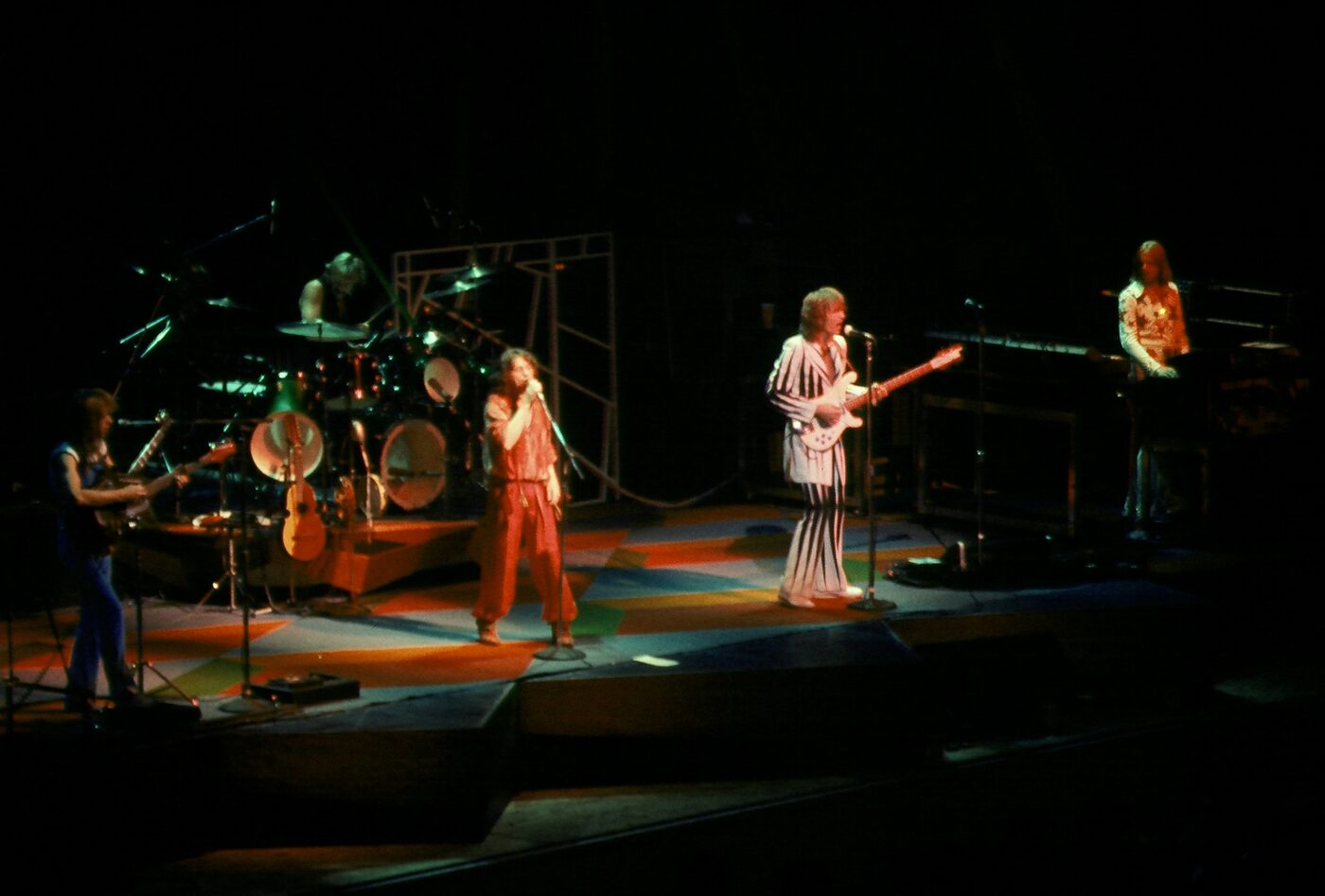
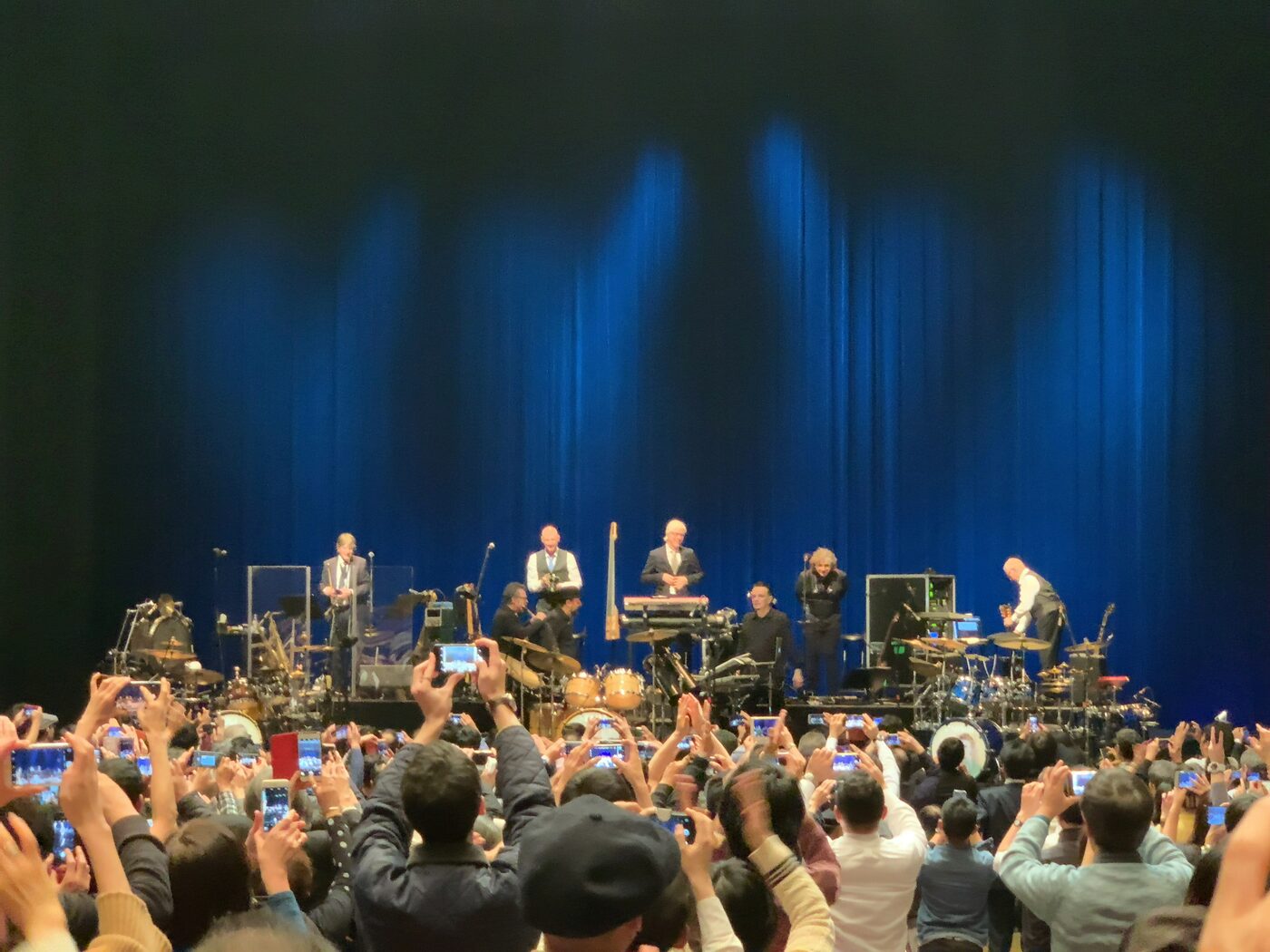



Progressive rock grew out of the psychedelic rock of late-sixties England, when bands began to write long pieces in several parts and borrowed from classical music, jazz and folk. The Moody Blues made Days of Future Passed with an orchestra in 1967, Procol Harum and the Nice put the organ at the centre, and in 1969 King Crimson's first album came out. In the seventies it filled concert halls in Britain, spread to Italy, Germany, France and the Netherlands, and after punk it lived on in neo-prog, in the prog metal of the nineties and in bands that still play it today.
From Britain come Yes, Genesis, Pink Floyd, Emerson, Lake & Palmer, Jethro Tull, Van der Graaf Generator, Gentle Giant, Camel and Renaissance, and from Canterbury Soft Machine, Hatfield and the North, Robert Wyatt and the Henry Cow of Legend. Italy has Premiata Forneria Marconi, Banco del Mutuo Soccorso and Area, France Magma and Gong, the Netherlands Focus, Germany Can and Eloy, Brazil O Terço. In North America Rush and Kansas played it, and Mike Oldfield's Tubular Bells and Supertramp's Crime of the Century are here too. Marillion and IQ stand for the neo-prog of the eighties, Dream Theater, Tool, Opeth and Mastodon for prog metal, Anekdoten and Wobbler for the Scandinavian revival. Later come Porcupine Tree and Steven Wilson, the Mars Volta, Riverside, Big Big Train, Haken, Leprous, King Gizzard & the Lizard Wizard and black midi.
The list has 54 records from 1967 to 2024. It leaves out the live albums, among them Yes's Yessongs and Genesis Live, most of the jazz-rock fusion of the same years, the Rock in Opposition bands after Henry Cow, the prog of Japan and Eastern Europe, and the albums Deezer does not have, among them Caravan's In the Land of Grey and Pink and Änglagård's Hybris. About 53 hours of music, 5 days of a few records each.
By genre
- Rock 80%
- Metal 12%
- Jazz 2%
- Other 6%
The genres named most: progressive rock, rock, art rock, progressive metal, symphonic prog, psychedelic rock.
The colours of the covers
A stripe for each cover, in the colour Tidal picks from it, sorted by hue; the greys at the end.
Where the music comes from
Music from 12 countries: United Kingdom 31, United States 5, Italy 3, Sweden 3, Canada 2 and 7 more. The deeper the colour, the more albums: one, two to four, five to nine, ten and more.
The 1960s
Days of Future PassedThe Moody Blues · 1967
Procol HarumProcol Harum · 1967
Ars Longa Vita BrevisThe Nice · 1968
In The Court Of The Crimson KingKing Crimson · 1969
The 1970s
ThirdSoft Machine · 1970
Tago MagoCan · 1971
TarkusEmerson, Lake & Palmer · 1971
Moving WavesFocus · 1971
Pawn HeartsVan der Graaf Generator · 1971
FragileYes · 1971
Banco del Mutuo SoccorsoBanco del Mutuo Soccorso · 1972
OctopusGentle Giant · 1972
Thick as a BrickJethro Tull · 1972
Per un amicoPremiata Forneria Marconi · 1972
Close To The EdgeYes · 1972
Arbeit macht freiArea · 1973
Selling England By The PoundGenesis · 1973
Angel's EggGong · 1973
LegendHenry Cow · 1973
Larks' Tongues In AspicKing Crimson · 1973
Mekanïk Destruktïw KommandöhMagma · 1973
Tubular BellsMike Oldfield · 1973
The Dark Side Of The MoonPink Floyd · 1973
Ashes Are BurningRenaissance · 1973
MirageCamel · 1974
Hatfield and the NorthHatfield and the North · 1974
Rock BottomRobert Wyatt · 1974
Crime Of The CenturySupertramp · 1974
Criaturas da NoiteO Terço · 1975
Wish You Were HerePink Floyd · 1975
LeftovertureKansas · 1976
2112Rush · 1976
OceanEloy · 1977
U.K.U.K. · 1978
The 1980s
Moving PicturesRush · 1981
The WakeIQ · 1985
Misplaced ChildhoodMarillion · 1985
The 1990s
Images and WordsDream Theater · 1992
VemodAnekdoten · 1993
ÆnimaTool · 1996
The 2000s
Blackwater ParkOpeth · 2001
In AbsentiaPorcupine Tree · 2002
Deloused in the ComatoriumThe Mars Volta · 2003
Second Life SyndromeRiverside · 2005
Crack the SkyeMastodon · 2009
The 2010s
English Electric (Part One)Big Big Train · 2012
The MountainHaken · 2013
The Raven That Refused to Sing (and Other Stories)Steven Wilson · 2013
Hand. Cannot. Erase.Steven Wilson · 2015
PolygondwanalandKing Gizzard & The Lizard Wizard · 2017
From Silence to SomewhereWobbler · 2017
PitfallsLeprous · 2019
The 2020s
Hellfireblack midi · 2022
The Last Will and TestamentOpeth · 2024