54 albums · 1977–2021
New wave, from New York and London to synth-pop, the New Romantics, Neue Deutsche Welle and today
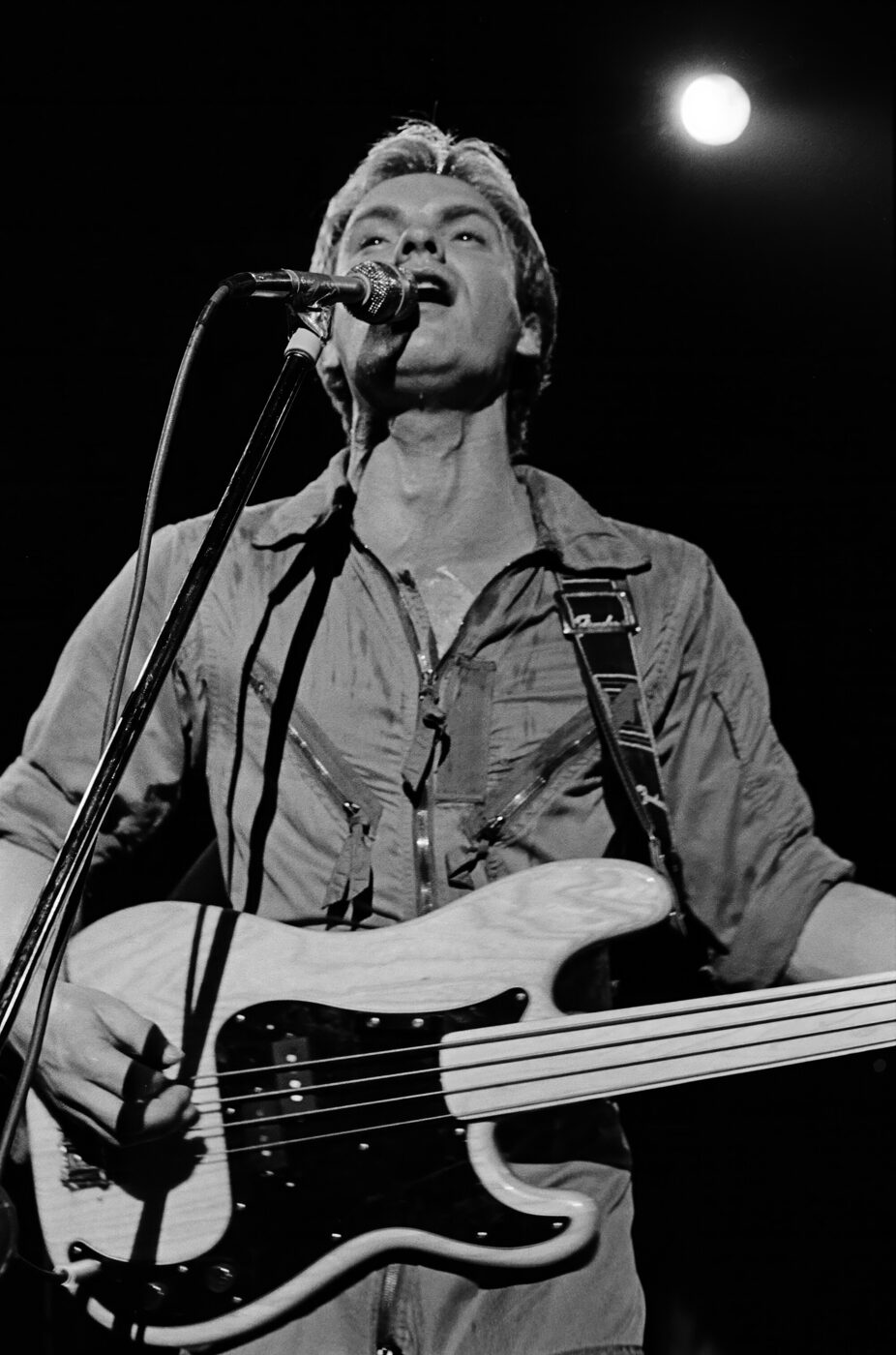
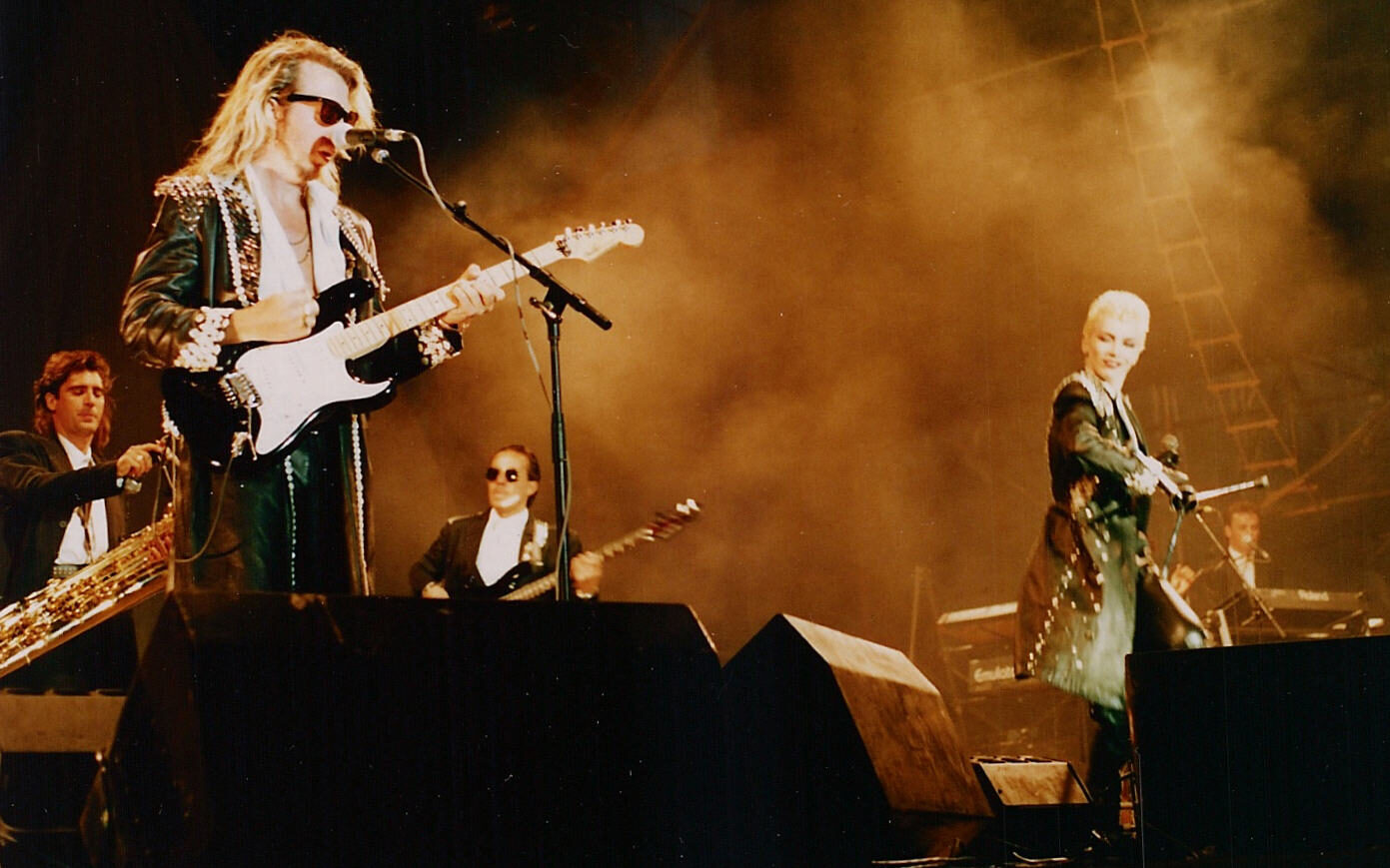
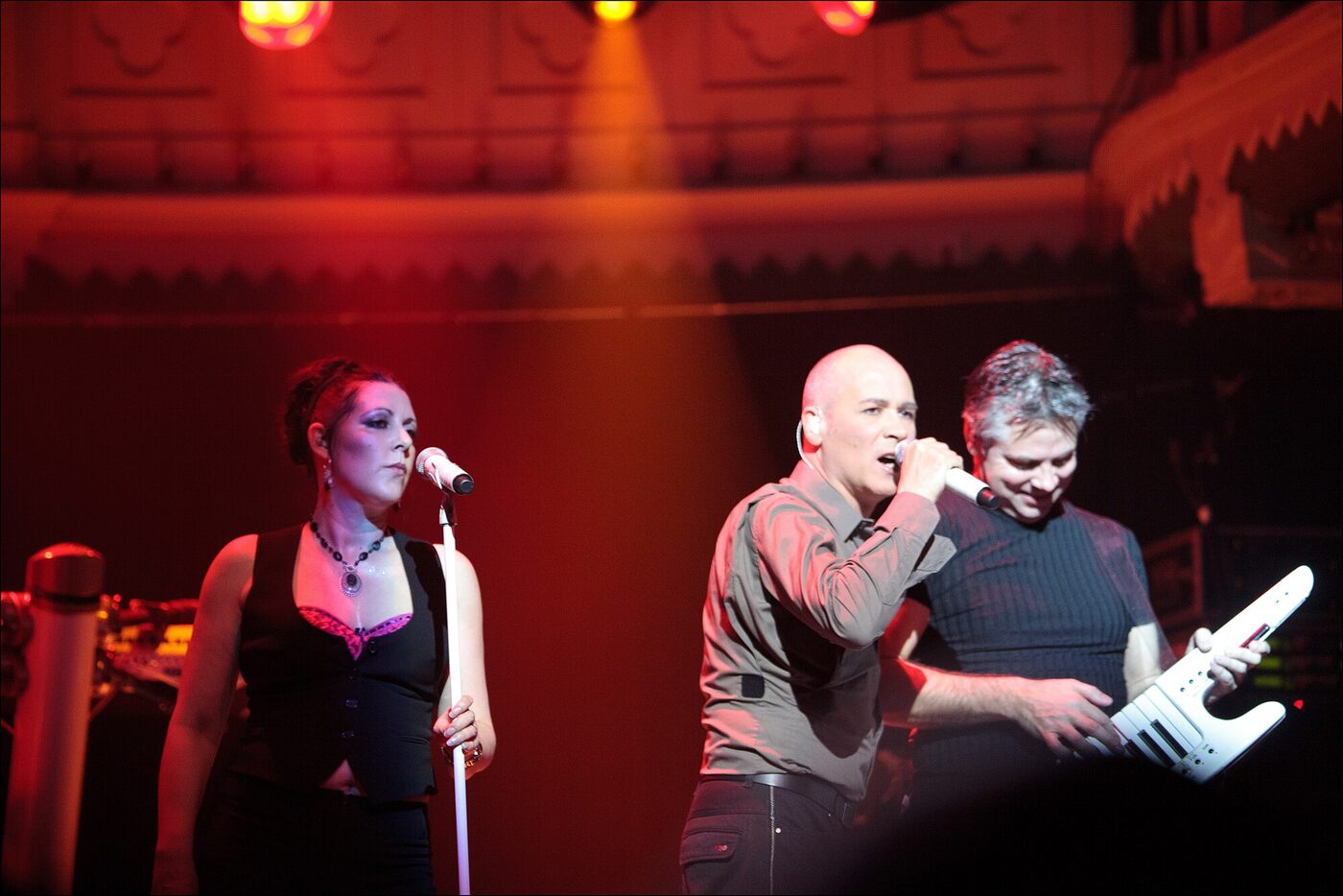


New wave came out of punk in the late seventies. The name was first used for the bands around CBGB in New York and for the British groups after 1977 who kept punk's short songs and energy but brought back pop melodies, keyboards, reggae and funk rhythms and ideas from art school. By the early eighties synthesizers and drum machines carried much of it as synth-pop, and the music videos of MTV, which began in 1981, took it to America.
Talking Heads, Elvis Costello, Blondie and the Cars made their first albums in 1977 and 1978, and the Police, XTC, Squeeze, Joe Jackson and the Pretenders followed. Gary Numan, Yellow Magic Orchestra in Tokyo and Ultravox turned to the synthesizer, and the Human League, OMD, Soft Cell, Yazoo and Depeche Mode made synth-pop of it. In London's clubs the New Romantics began with Visage, Duran Duran and ABC. Beside them are Split Enz from New Zealand, INXS from Australia, Nena and DAF of the Neue Deutsche Welle, Alaska y Dinarama of Madrid's Movida, Indochine from Paris and a-ha from Norway, then Eurythmics, Talk Talk and Tears for Fears. In the 2000s Interpol, Franz Ferdinand, the Killers and Bloc Party took up the sound again, and later come Ladytron, La Roux, CHVRCHES, Future Islands, Molchat Doma from Belarus and Nation of Language.
The list has 54 records from 1977 to 2021. It leaves out the singles, where much of new wave was first heard, most of the post-punk and gothic rock that grew beside it, which the punk list has some of, and the albums Deezer does not have, among them the B-52's' first album, Devo's Freedom of Choice on its own and Spandau Ballet's True and Adam and the Ants' Kings of the Wild Frontier in their first editions. About 44 hours of music, 5 days of a few records each.
By genre
- Punk & New Wave 33%
- Pop 27%
- Rock 25%
- Other 15%
The genres named most: new wave, synth-pop, rock, electronic, pop, pop rock.
The colours of the covers
A stripe for each cover, in the colour Tidal picks from it, sorted by hue; the greys at the end.
Where the music comes from
Music from 10 countries: United Kingdom 32, United States 11, France 2, Germany 2, Australia 1 and 5 more. The deeper the colour, the more albums: one, two to four, five to nine, ten and more.
The 1970s
My Aim Is TrueElvis Costello · 1977
Talking Heads 77Talking Heads · 1977
Parallel LinesBlondie · 1978
The CarsThe Cars · 1978
Q: Are We Not Men? A: We Are Devo!Devo · 1978
Outlandos d'AmourThe Police · 1978
The Pleasure PrincipleGary Numan · 1979
Look Sharp!Joe Jackson · 1979
PretendersPretenders · 1979
Cool for CatsSqueeze · 1979
Drums and WiresXTC · 1979
Solid State SurvivorYellow Magic Orchestra · 1979
The 1980s
True ColoursSplit Enz · 1980
Remain In LightTalking Heads · 1980
ViennaUltravox · 1980
VisageVisage · 1980
Alles ist gutDAF · 1981
Beauty And The BeatThe Go-Go's · 1981
Dare!The Human League · 1981
Tin DrumJapan · 1981
Kim WildeKim Wilde · 1981
Architecture And MoralityOrchestral Manoeuvres In The Dark · 1981
Non-Stop Erotic CabaretSoft Cell · 1981
The Lexicon Of LoveABC · 1982
RioDuran Duran · 1982
Shabooh ShoobahINXS · 1982
New Gold Dream (81/82/83/84)Simple Minds · 1982
The Golden Age of WirelessThomas Dolby · 1982
Upstairs at Eric'sYazoo · 1982
Sweet Dreams (Are Made Of This)Eurythmics · 1983
NenaNena · 1983
Power, Corruption & LiesNew Order · 1983
Deseo carnalAlaska y Dinarama · 1984
It's My LifeTalk Talk · 1984
Into the GapThompson Twins · 1984
Hunting High And Lowa-ha · 1985
3Indochine · 1985
Songs From The Big ChairTears For Fears · 1985
PleasePet Shop Boys · 1986
Cosmic ThingThe B-52's · 1989
The 1990s
The 2000s
Turn On the Bright LightsInterpol · 2002
Franz FerdinandFranz Ferdinand · 2004
Hot FussThe Killers · 2004
Silent AlarmBloc Party · 2005
Witching HourLadytron · 2005
La RouxLa Roux · 2009
Wolfgang Amadeus PhoenixPhoenix · 2009
The 2010s
The Bones Of What You BelieveCHVRCHES · 2013
SinglesFuture Islands · 2014
ЭтажиMolchat Doma · 2018
The 2020s
Imploding the MirageThe Killers · 2020
A Way ForwardNation of Language · 2021