54 albums · 1909–2023
Gospel, from the spirituals and the quartets to Mahalia Jackson, Amazing Grace, Kirk Franklin and today
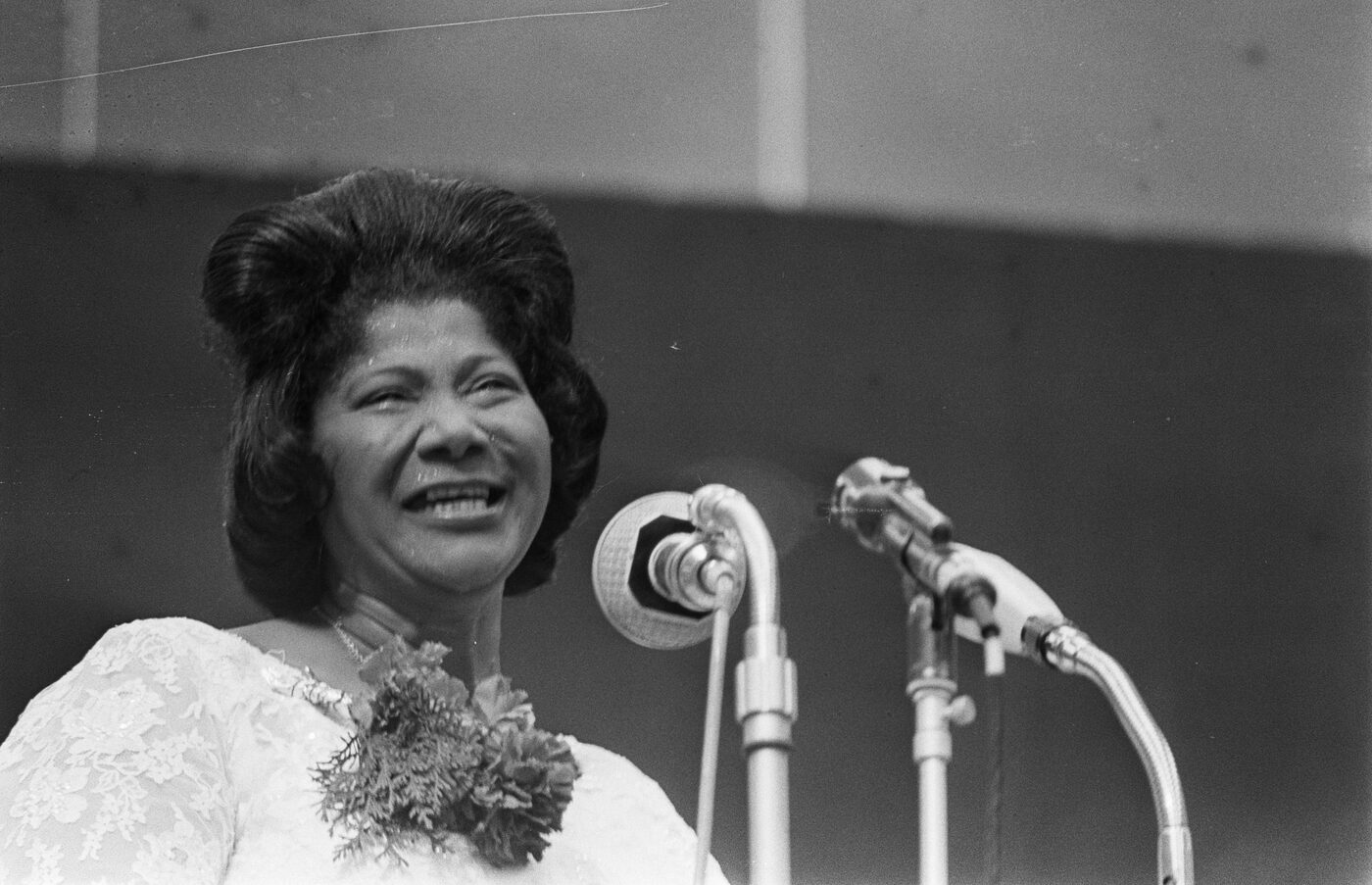
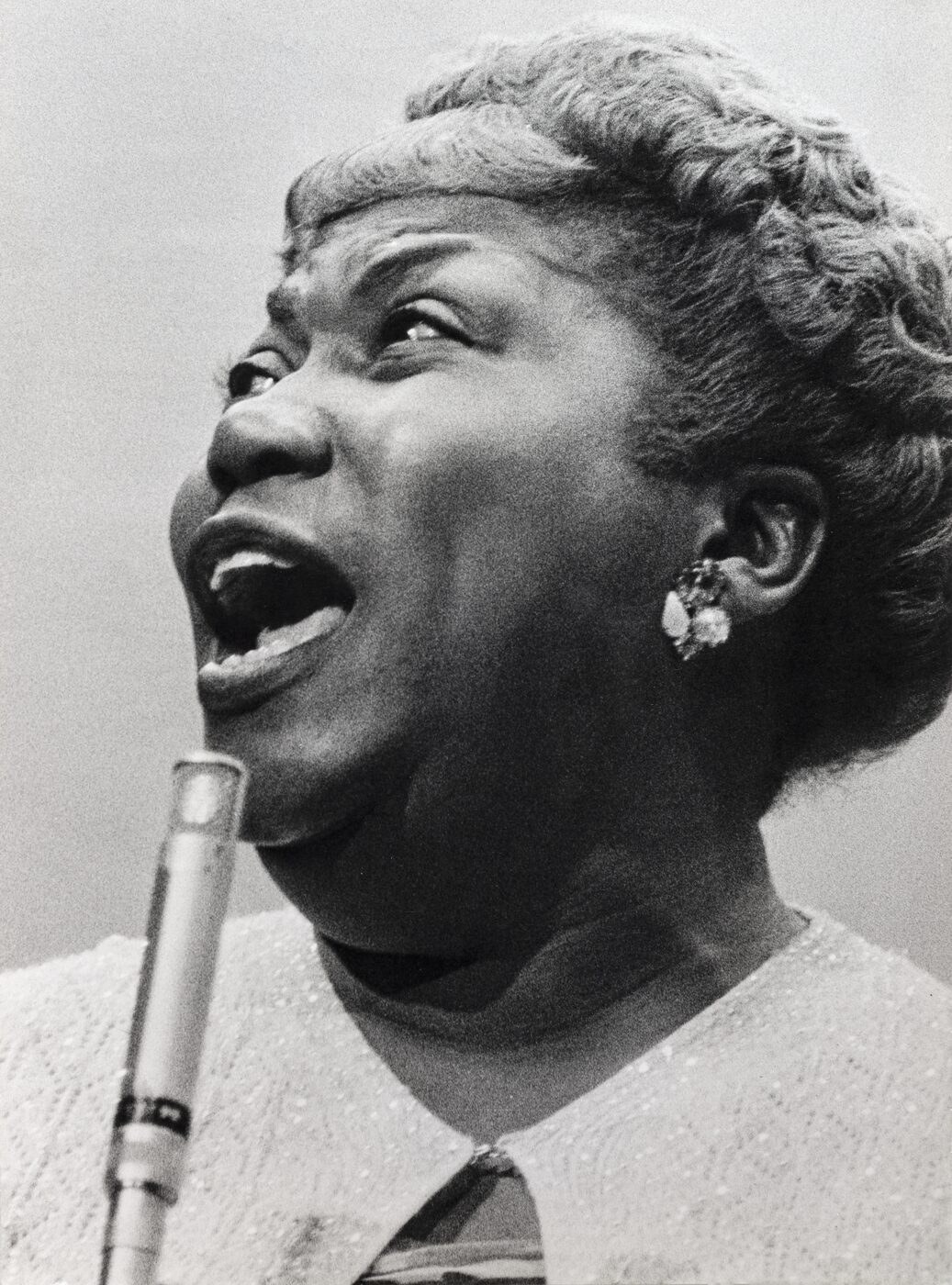
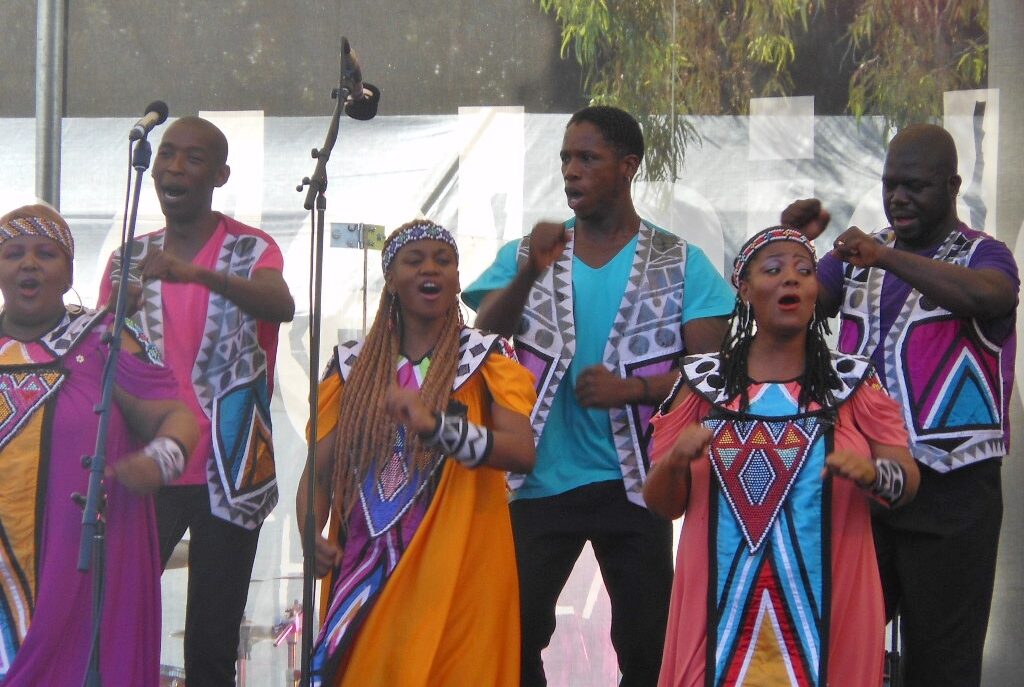


Gospel grew out of the spirituals sung by enslaved people in the American South, which the Fisk Jubilee Singers took to concert halls from 1871. In the Black Baptist and Pentecostal churches of the early twentieth century it met the blues and ragtime, and in Chicago in the early 1930s Thomas A. Dorsey wrote the songs that gave it its name. Quartets sang it without instruments, women singers and choirs with piano and organ, and from the forties records and radio carried it across America.
The list begins with the Fisk Jubilee Singers' recordings of 1909, Blind Willie Johnson and the Golden Gate Quartet. Then come Sister Rosetta Tharpe with her electric guitar, Mahalia Jackson, Clara Ward and the Caravans, and the quartets: the Soul Stirrers with Sam Cooke, the Dixie Hummingbirds and the Swan Silvertones. James Cleveland led the large choirs, the Staple Singers sang for the civil rights movement, and in 1969 the Edwin Hawkins Singers had a hit with "Oh Happy Day". Aretha Franklin recorded Amazing Grace with Cleveland in a Los Angeles church in 1972. Contemporary gospel follows with Andraé Crouch, Walter Hawkins, the Winans, the Clark Sisters, Take 6, BeBe and CeCe Winans, Kirk Franklin, Yolanda Adams and Mary Mary, and later Kierra Sheard, Tasha Cobbs, Sunday Service Choir and Maverick City Music. From South Africa come Ladysmith Black Mambazo, Rebecca Malope, Joyous Celebration and the Soweto Gospel Choir, and from Britain the London Community Gospel Choir, Lurine Cato, the Kingdom Choir and Guvna B.
The list has 54 records from 1909 to 2023. It leaves out most of the singles on which the early singers and quartets were first heard, white Southern gospel beyond Elvis Presley, Christian rock and most worship music, the gospel of Nigeria, Ghana and the Caribbean, and the albums Deezer does not have, among them God's Property's album with Kirk Franklin and Donnie McClurkin's first album. About 48 hours of music, 5 days of a few records each.
By genre
- Soul & R&B 80%
- Blues 2%
- Jazz 2%
- Other 16%
The genres named most: gospel, contemporary gospel, soul, choir, praise & worship, south african gospel.
The colours of the covers
A stripe for each cover, in the colour Tidal picks from it, sorted by hue; the greys at the end.
Where the music comes from
Music from 3 countries: United States 40, United Kingdom 5, South Africa 4. The deeper the colour, the more albums: one, two to four, five to nine, ten and more.
The 1900s
Fisk Jubilee Singers, Vol. 1 (1909–1911)Fisk Jubilee Singers · 1909
The 1920s
Dark Was the NightBlind Willie Johnson · 1927
The 1930s
Travelin' ShoesThe Golden Gate Quartet · 1937
The 1950s
Sam Cooke with the Soul StirrersSam Cooke and the Soul Stirrers · 1951
Bless This HouseMahalia Jackson · 1956
Gospel TrainSister Rosetta Tharpe · 1956
The Caravans SingThe Caravans · 1958
Live at Newport 1958Mahalia Jackson · 1958
Gospel ConcertClara Ward · 1959
A Christian TestimonialThe Dixie Hummingbirds · 1959
The 1960s
Saviour Pass Me NotThe Swan Silvertones · 1962
Peace Be StillJames Cleveland · 1963
Freedom HighwayThe Staple Singers · 1965
How Great Thou ArtElvis Presley · 1967
Let Us Go into the House of the LordThe Edwin Hawkins Singers · 1969
The 1970s
Standing Here Wondering Which Way to GoMarion Williams · 1971
Amazing GraceAretha Franklin · 1972
Be Altitude: Respect YourselfThe Staple Singers · 1972
Take Me BackAndraé Crouch and the Disciples · 1975
Kickin'The Mighty Clouds of Joy · 1975
Love AliveWalter Hawkins and the Love Center Choir · 1975
First LadyShirley Caesar · 1977
The 1980s
The Lord Will Make a WayAl Green · 1980
Introducing the WinansThe Winans · 1981
Heart & SoulThe Clark Sisters · 1986
Go Tell SomebodyCommissioned · 1986
Shaka ZuluLadysmith Black Mambazo · 1987
HeavenBeBe & CeCe Winans · 1988
Take 6Take 6 · 1988
The 1990s
Kirk Franklin and the FamilyKirk Franklin & the Family · 1993
It Remains to Be SeenThe Mississippi Mass Choir · 1993
Alone in His PresenceCeCe Winans · 1995
Shwele BabaRebecca Malope · 1995
Joyous Celebration 1Joyous Celebration · 1997
Pages of Life: Chapters I & IIFred Hammond & Radical for Christ · 1998
Everlasting LifeKim Burrell · 1998
The Nu Nation ProjectKirk Franklin · 1998
Mountain High... Valley LowYolanda Adams · 1999
The 2000s
Live in London and More...Donnie McClurkin · 2000
ThankfulMary Mary · 2000
Spirit of the CenturyThe Blind Boys of Alabama · 2001
Voices from HeavenSoweto Gospel Choir · 2003
I Owe YouKierra Sheard · 2004
Alive in South AfricaIsrael & New Breed · 2005
ThirstyMarvin Sapp · 2007
The 2010s
You Are Not AloneMavis Staples · 2010
Life MusicJonathan McReynolds · 2012
London Community Gospel ChoirLondon Community Gospel Choir · 2013
GraceTasha Cobbs · 2013
Chosen to ServeLurine Cato · 2016
Stand by MeThe Kingdom Choir · 2018
Jesus Is BornSunday Service Choir · 2019
The 2020s
Kingdom Book OneMaverick City Music & Kirk Franklin · 2022
The Village Is on FireGuvna B · 2023