54 albums · 1952–2024
Country, from honky-tonk and Nashville to Bakersfield, outlaw country, alt-country and today
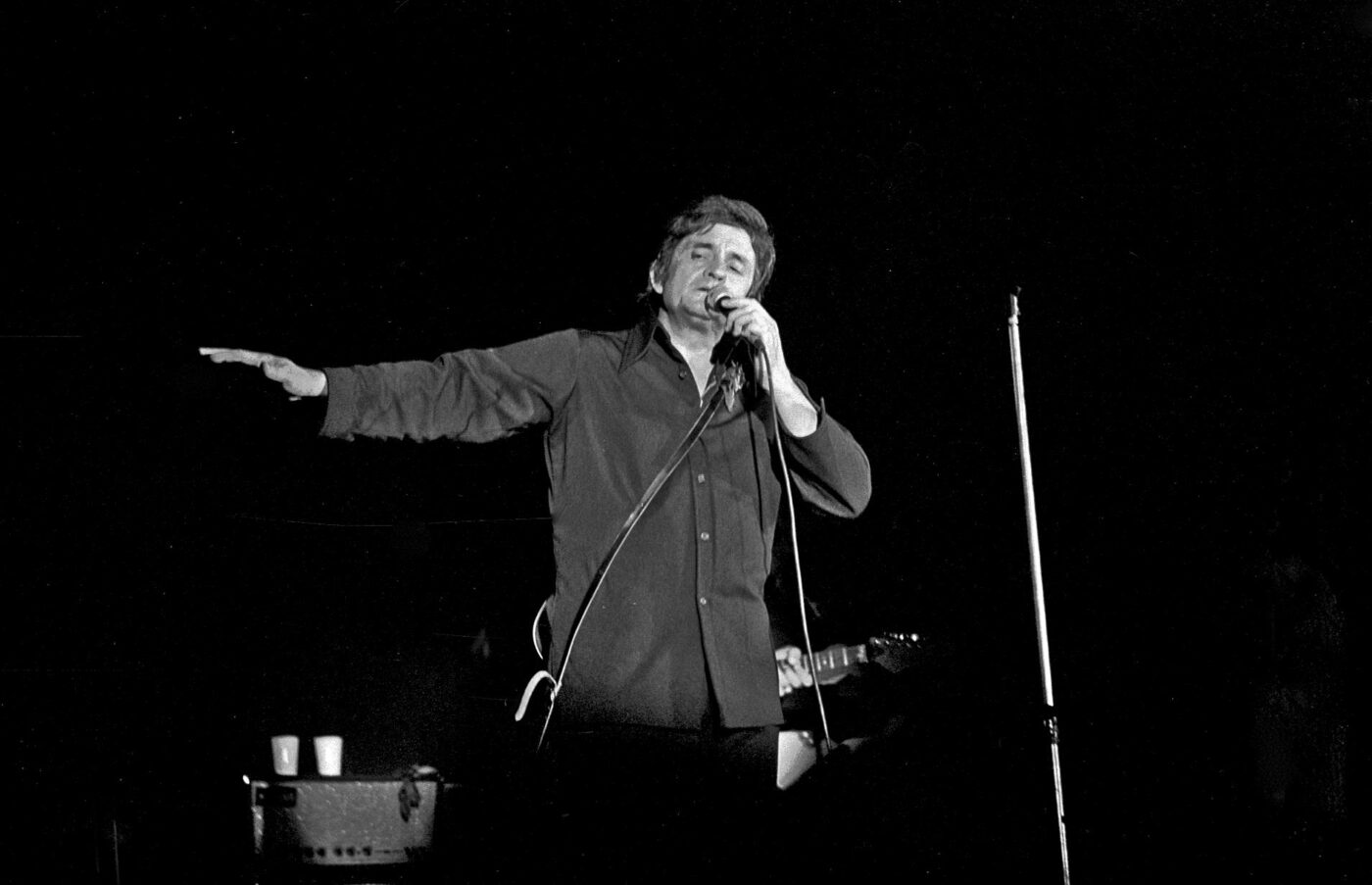
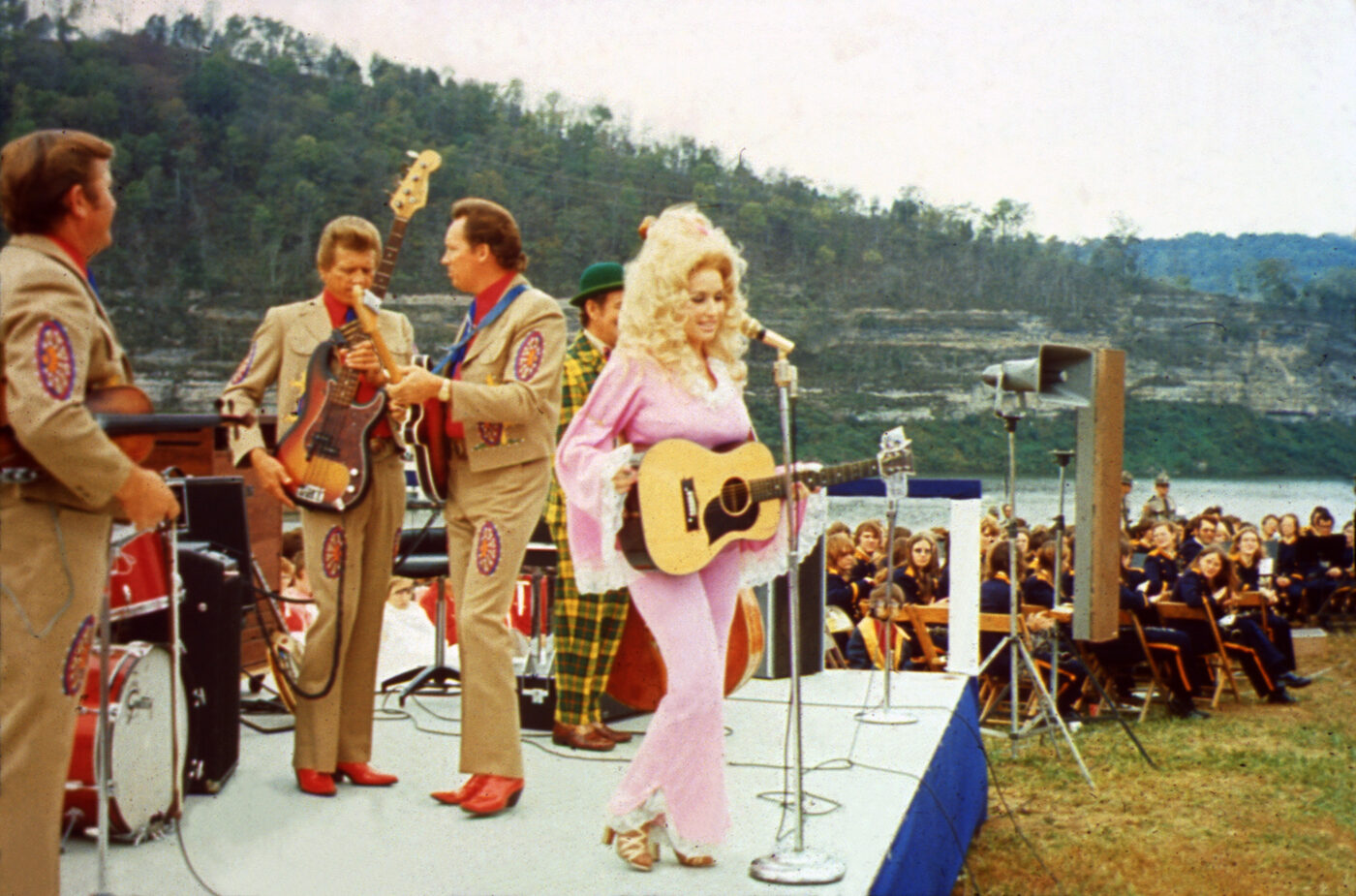
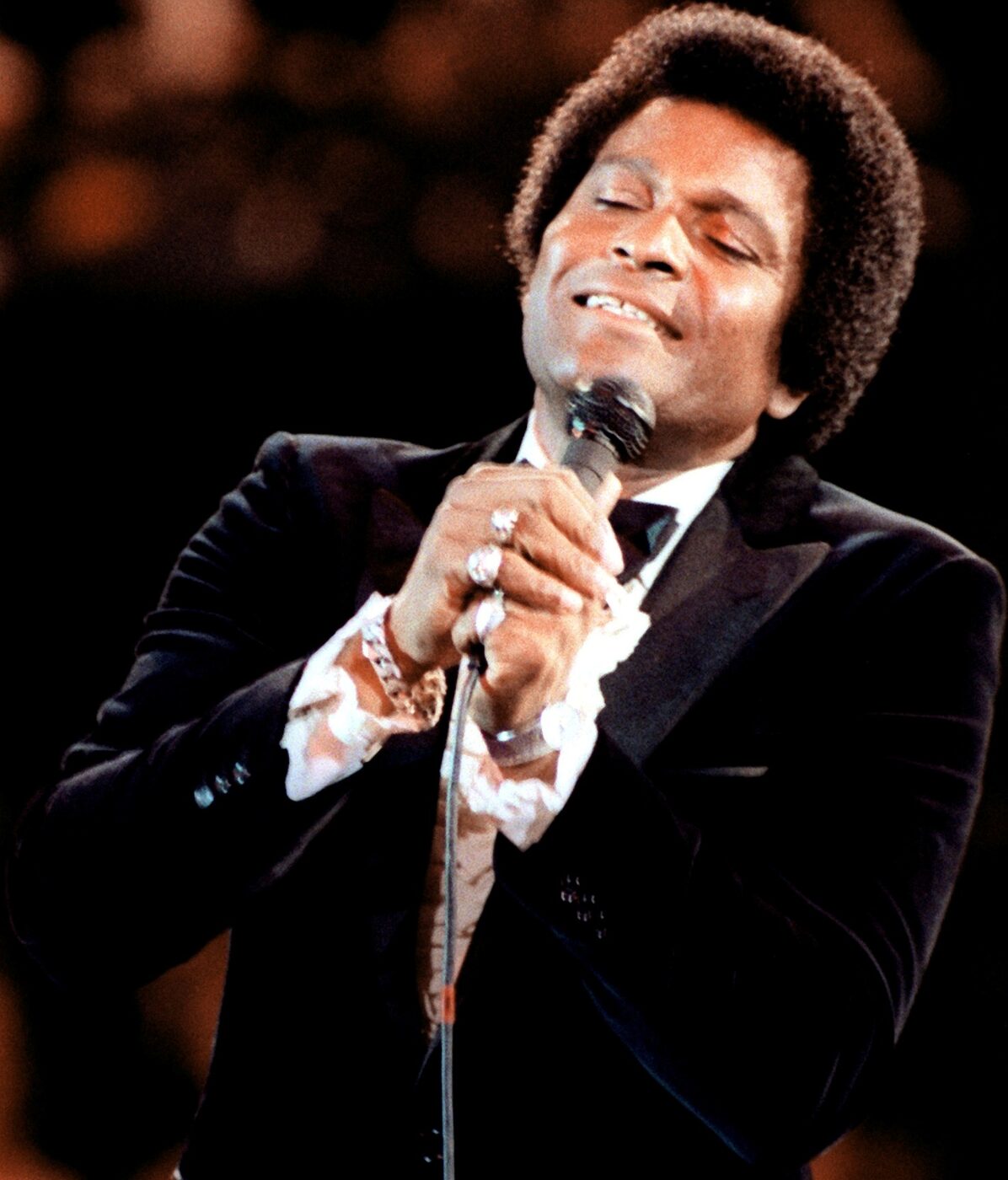


Country music grew out of the old-time songs, fiddle tunes and ballads of the rural South, recorded from the twenties on, when the Carter Family and Jimmie Rodgers made their first records in Bristol, Tennessee, in 1927. Western swing came out of Texas and honky-tonk out of the bars after the war, and from the fifties Nashville made its records with strings and choirs as the Nashville sound. Bakersfield in California answered with a harder, electric sound, and Texas in the seventies with outlaw country. Since then it has run between the radio's country pop and the plainer records of alt-country and Americana.
Hank Williams, Lefty Frizzell and Kitty Wells stand for honky-tonk, Bob Wills for western swing, and Patsy Cline, Ray Price and Tammy Wynette for Nashville. Ray Charles brought country songs to soul in 1962, Buck Owens and Merle Haggard made the Bakersfield sound, and Charley Pride and Linda Martell were among the first Black singers on the country charts. The Byrds, the Flying Burrito Brothers and Gram Parsons took it into rock, and Waylon Jennings and Willie Nelson made outlaw country. Then come Dolly Parton, Emmylou Harris, the neotraditionalists Ricky Skaggs, Randy Travis, Dwight Yoakam and George Strait, and Steve Earle and Lyle Lovett. From Canada come k.d. lang, Shania Twain and Orville Peck, from Australia Slim Dusty and Kasey Chambers. Uncle Tupelo, Lucinda Williams and Gillian Welch made alt-country, and later come Miranda Lambert, Jason Isbell, Sturgill Simpson, Chris Stapleton, Kacey Musgraves, Mickey Guyton, Zach Bryan and Beyoncé's Cowboy Carter.
The list has 54 records from 1952 to 2024. It leaves out the singles and the compilations, where country before the fifties lives, among them those of the Carter Family and Jimmie Rodgers, most of bluegrass, the live albums beyond At Folsom Prison, and the albums Deezer does not have, among them Garth Brooks's No Fences and Guy Clark's Old No. 1 on its own. About 36 hours of music, 5 days of a few records each.
By genre
- Folk & Country 74%
- Rock 18%
- Pop 4%
- Other 4%
The genres named most: country, country rock, honky tonk, rock, alternative country, pop.
The colours of the covers
A stripe for each cover, in the colour Tidal picks from it, sorted by hue; the greys at the end.
Where the music comes from
Music from 3 countries: United States 50, Australia 2, Canada 2. The deeper the colour, the more albums: one, two to four, five to nine, ten and more.
The 1950s
Moanin' the BluesHank Williams · 1952
Listen to LeftyLefty Frizzell · 1952
Kitty Wells' Country Hit ParadeKitty Wells · 1956
Bob Wills and His Texas PlayboysBob Wills and His Texas Playboys · 1957
Gunfighter Ballads and Trail SongsMarty Robbins · 1959
The 1960s
ShowcasePatsy Cline · 1961
Modern Sounds in Country and Western MusicRay Charles · 1962
Night LifeRay Price · 1963
I’ve Got a Tiger By the TailBuck Owens · 1965
Ode to Billie JoeBobbie Gentry · 1967
The Country WayCharley Pride · 1967
By the Time I Get to PhoenixGlen Campbell · 1967
Don't Come Home A Drinkin' (With Lovin' On Your Mind)Loretta Lynn · 1967
I’m a Lonesome FugitiveMerle Haggard · 1967
Sweetheart Of The RodeoThe Byrds · 1968
At Folsom PrisonJohnny Cash · 1968
D-I-V-O-R-C-ETammy Wynette · 1968
The Gilded Palace of SinThe Flying Burrito Brothers · 1969
Townes Van ZandtTownes Van Zandt · 1969
The 1970s
Me and Bobby McGeeKris Kristofferson · 1970
Color Me CountryLinda Martell · 1970
Coat Of Many ColorsDolly Parton · 1971
Behind Closed DoorsCharlie Rich · 1973
Honky Tonk HeroesWaylon Jennings · 1973
Grievous AngelGram Parsons · 1974
Pieces Of The SkyEmmylou Harris · 1975
Red Headed StrangerWillie Nelson · 1975
Walk a Country MileSlim Dusty · 1979
The 1980s
I Am What I AmGeorge Jones · 1980
Highways and HeartachesRicky Skaggs · 1982
My Kind of CountryReba McEntire · 1984
Guitars, Cadillacs, Etc., Etc.Dwight Yoakam · 1986
Storms of LifeRandy Travis · 1986
Guitar TownSteve Earle · 1986
Ocean Front PropertyGeorge Strait · 1987
PontiacLyle Lovett · 1987
Shadowlandk.d. lang · 1988
The 1990s
No DepressionUncle Tupelo · 1990
Come On OverShania Twain · 1997
Wide Open SpacesDixie Chicks · 1998
Car Wheels on a Gravel RoadLucinda Williams · 1998
The CaptainKasey Chambers · 1999
The 2000s
Time (The Revelator)Gillian Welch · 2001
Crazy Ex-GirlfriendMiranda Lambert · 2007
FearlessTaylor Swift · 2008
The 2010s
SoutheasternJason Isbell · 2013
Metamodern Sounds in Country MusicSturgill Simpson · 2014
TravellerChris Stapleton · 2015
PurgatoryTyler Childers · 2017
Golden HourKacey Musgraves · 2018
PonyOrville Peck · 2019
The 2020s
Remember Her NameMickey Guyton · 2021
American HeartbreakZach Bryan · 2022
Cowboy CarterBeyoncé · 2024