54 albums · 1969–2024
Ambient, from minimalism and Brian Eno to Japanese environmental music, the chill-out room, drone and today
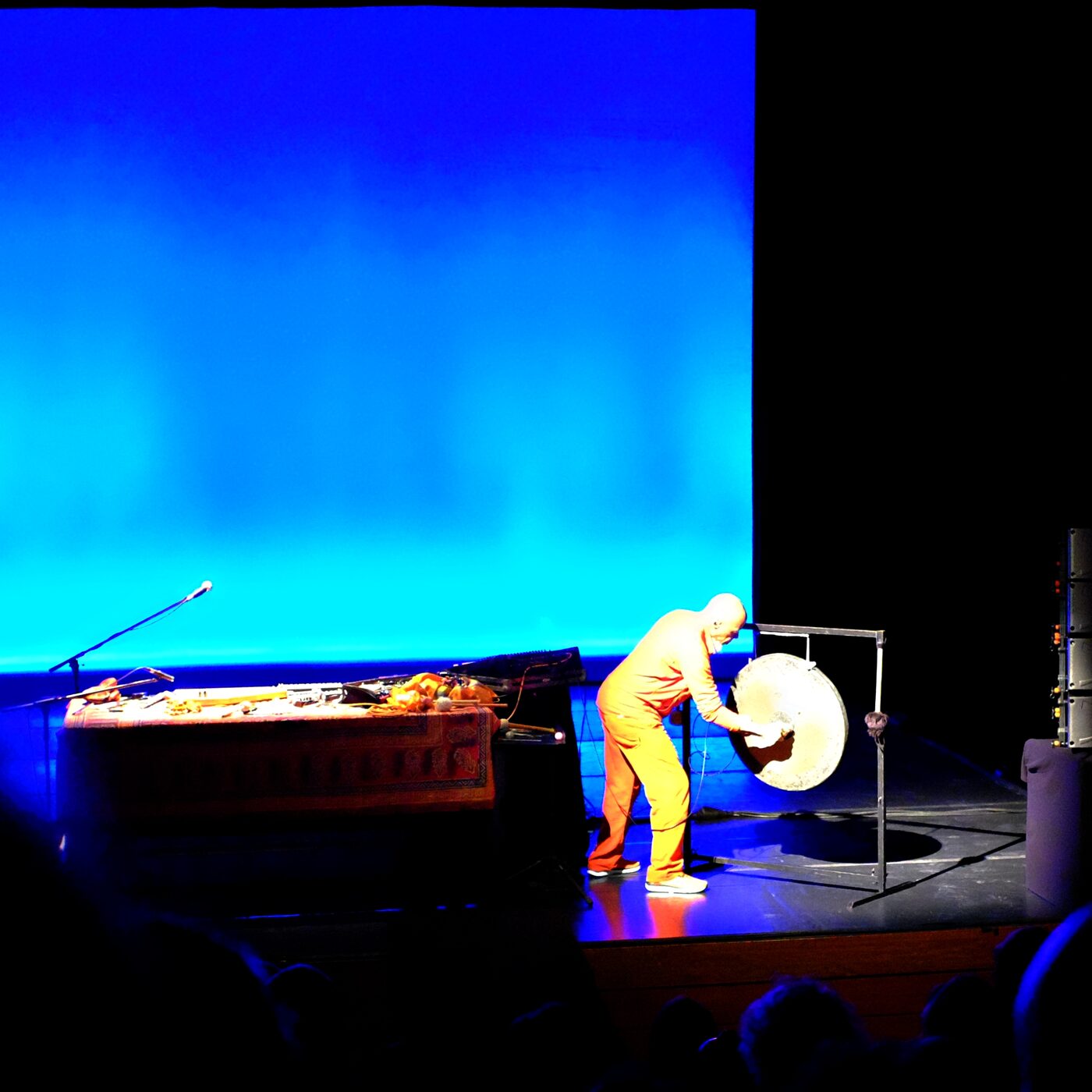
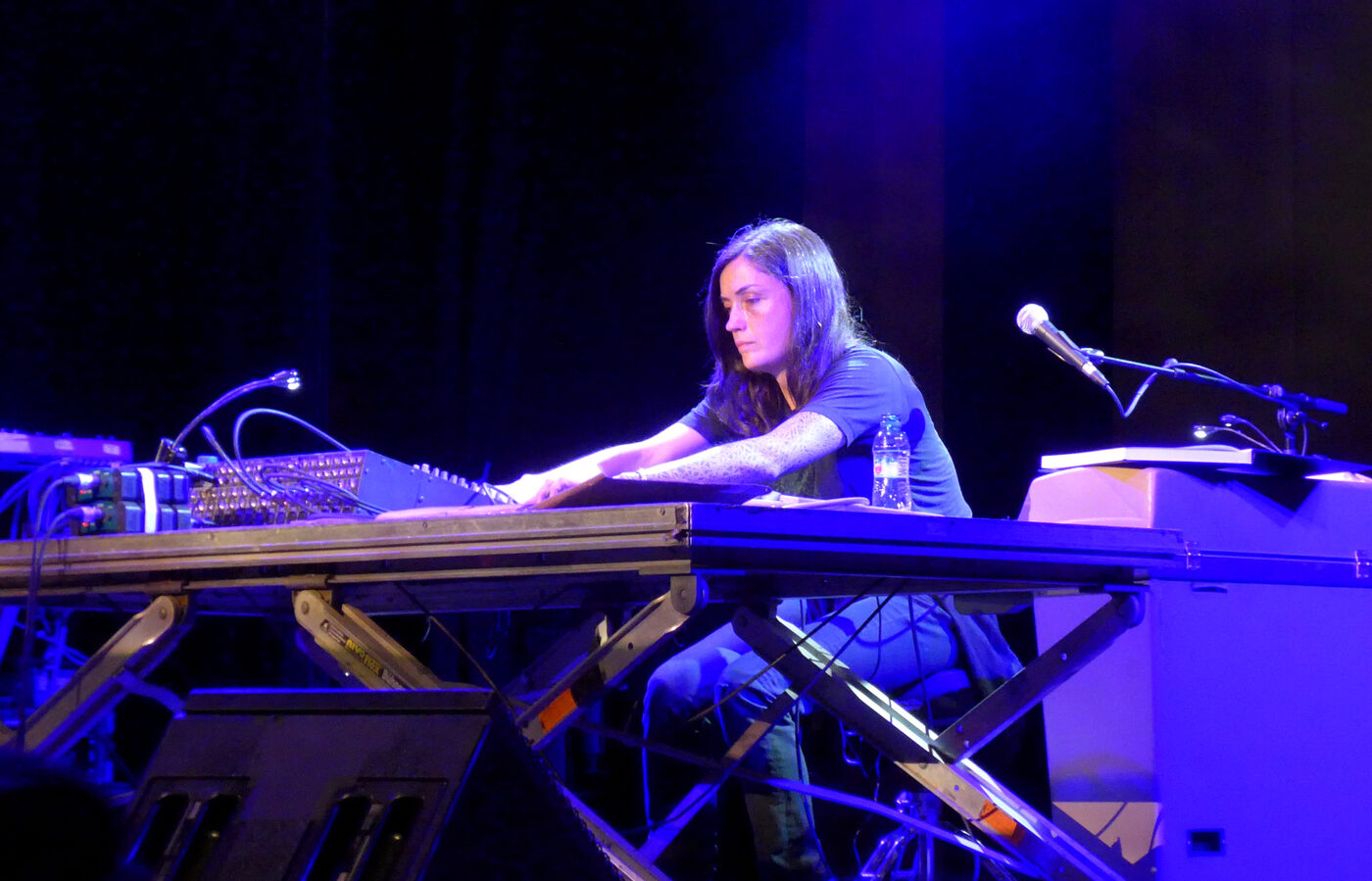
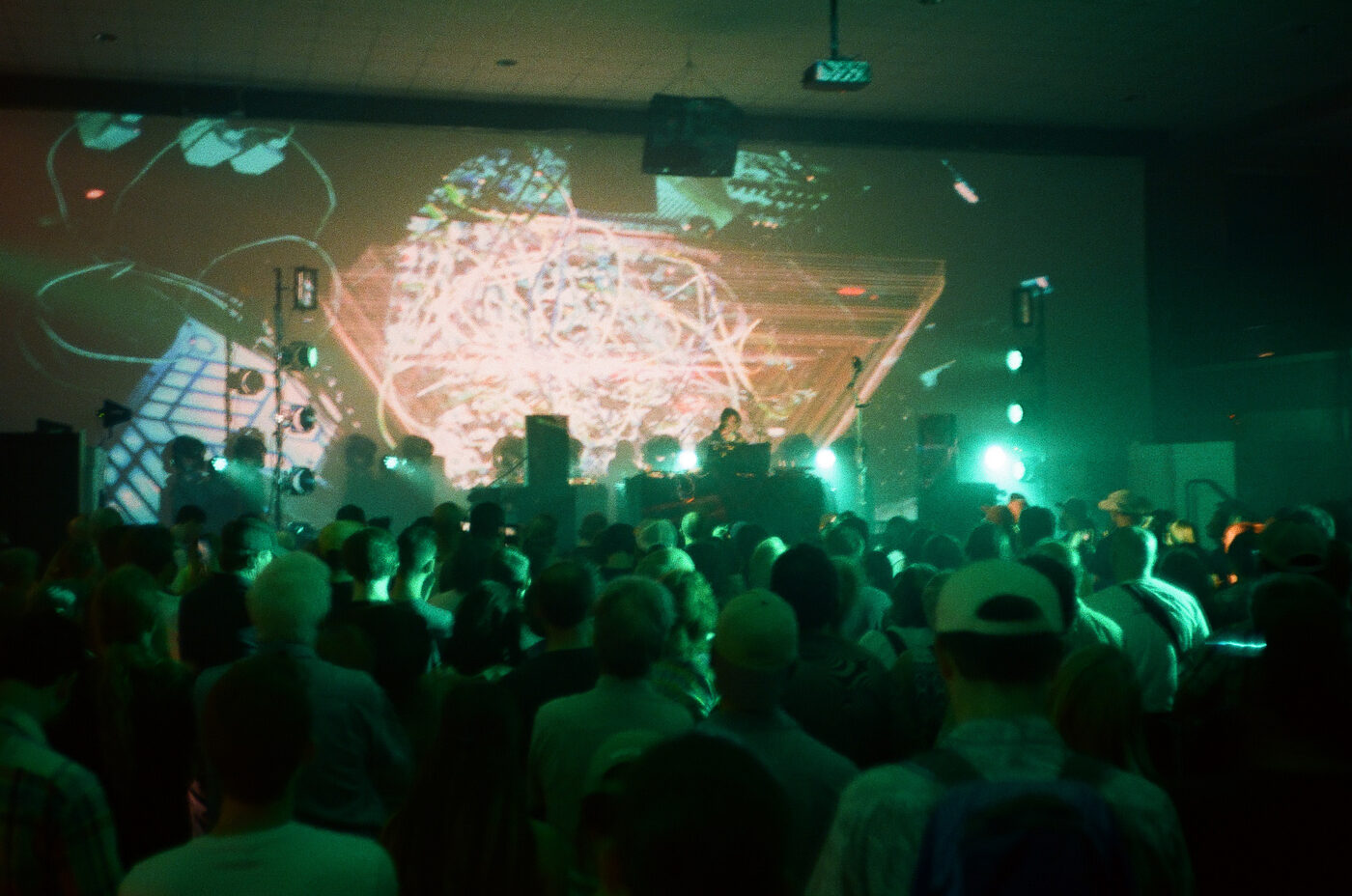


Ambient music has its roots in Erik Satie's idea of furniture music, music meant to be part of a room rather than listened to closely, and in the minimalism of the sixties, where Terry Riley built long pieces from repeated patterns on organ and tape. In Germany Tangerine Dream, Popol Vuh and Cluster made slow electronic records in the early seventies. In 1978 Brian Eno named the genre with Music for Airports, music "as ignorable as it is interesting".
Eno's Ambient series went on with Harold Budd's piano, Laraaji's zither and his own On Land, and Jon Hassell's trumpet. In Japan, Hiroshi Yoshimura and Satoshi Ashikawa made kankyō ongaku, environmental music for rooms and public spaces, and in America Suzanne Ciani, Laurie Spiegel, Steve Roach and Pauline Oliveros worked with synthesizers, tape and the resonance of a cistern. Around 1990 the Orb, Global Communication and Aphex Twin played it in the chill-out rooms of the rave years, and Biosphere in Norway. Later come the drones of Stars of the Lid, William Basinski's decaying tape loops, Gas's forest of sound, Fennesz and Tim Hecker, the voices of Grouper and Julianna Barwick, and in the 2020s KMRU in Nairobi, Sarah Davachi, Kali Malone and Floating Points' Promises with Pharoah Sanders.
The list has 54 records from 1969 to 2024. It leaves out most of new age and of dark ambient, the long works of Max Richter and La Monte Young, and the albums Deezer does not have, among them the KLF's Chill Out, Midori Takada's Through the Looking Glass and Gavin Bryars' first recording of The Sinking of the Titanic. About 56 hours of music, 5 days of a few records each.
By genre
- Electronic 78%
- Rock 8%
- Classical 5%
- Other 9%
The genres named most: ambient, electronic, experimental, drone, japanese, jazz.
The colours of the covers
A stripe for each cover, in the colour Tidal picks from it, sorted by hue; the greys at the end.
Where the music comes from
Music from 12 countries: United States 18, United Kingdom 12, Germany 6, Japan 4, Belgium 2 and 7 more. The deeper the colour, the more albums: one, two to four, five to nine, ten and more.
The 1960s
A Rainbow in Curved AirTerry Riley · 1969
The 1970s
In den Gärten PharaosPopol Vuh · 1971
ZeitTangerine Dream · 1972
(No Pussyfooting)Fripp & Eno · 1973
Discreet MusicBrian Eno · 1975
New Age of EarthAshra · 1976
Cluster & EnoCluster · 1977
Ambient 1: Music for AirportsBrian Eno · 1978
The 1980s
Ambient 2: The Plateaux of MirrorHarold Budd & Brian Eno · 1980
Fourth World Vol. 1: Possible MusicsJon Hassell · 1980
Ambient 3: Day of RadianceLaraaji · 1980
The Expanding UniverseLaurie Spiegel · 1980
Ambient 4: On LandBrian Eno · 1982
Music for Nine Post CardsHiroshi Yoshimura · 1982
Still Way (Wave Notation 2)Satoshi Ashikawa · 1982
Seven WavesSuzanne Ciani · 1982
The PearlHarold Budd & Brian Eno · 1984
Structures from SilenceSteve Roach · 1984
Keyboard FantasiesBeverly Glenn-Copeland · 1986
WindGigi Masin · 1986
The Moon and the MelodiesHarold Budd, Elizabeth Fraser, Robin Guthrie & Simon Raymonde · 1986
GreenHiroshi Yoshimura · 1986
Deep ListeningPauline Oliveros · 1989
The 1990s
MicrogravityBiosphere · 1991
The Orb's Adventures Beyond the UltraworldThe Orb · 1991
Selected Ambient Works 85-92Aphex Twin · 1992
QuiqueSeefeel · 1993
Selected Ambient Works Volume IIAphex Twin · 1994
LifeformsThe Future Sound of London · 1994
76:14Global Communication · 1994
Trilogie de la mortÉliane Radigue · 1998
SakuraSusumu Yokota · 1999
The 2000s
PopGas · 2000
Endless SummerFennesz · 2001
The Tired Sounds of Stars of the LidStars of the Lid · 2001
The Disintegration LoopsWilliam Basinski · 2002
Harmony in UltravioletTim Hecker · 2006
CopiaEluvium · 2007
Dragging a Dead Deer Up a HillGrouper · 2008
The 2010s
Does It Look Like I'm Here?Emeralds · 2010
The Magic PlaceJulianna Barwick · 2011
ReplicaOneohtrix Point Never · 2011
For Those of You Who Have Never (And Also Those Who Have)Huerco S. · 2016
EARSKaitlyn Aurelia Smith · 2016
asyncRyuichi Sakamoto · 2017
ReassemblageVisible Cloaks · 2017
The 2020s
Because of a FlowerAna Roxanne · 2020
PeelKMRU · 2020
Cantus, DescantSarah Davachi · 2020
PromisesFloating Points, Pharoah Sanders & The London Symphony Orchestra · 2021
Music for Psychedelic TherapyJon Hopkins · 2021
Space 1.8Nala Sinephro · 2021
Spirit ExitCaterina Barbieri · 2022
All Life LongKali Malone · 2024