54 albums · 1958–2024
Afrobeat, from highlife and Fela Kuti to Benin, the revival and today's Afrobeats
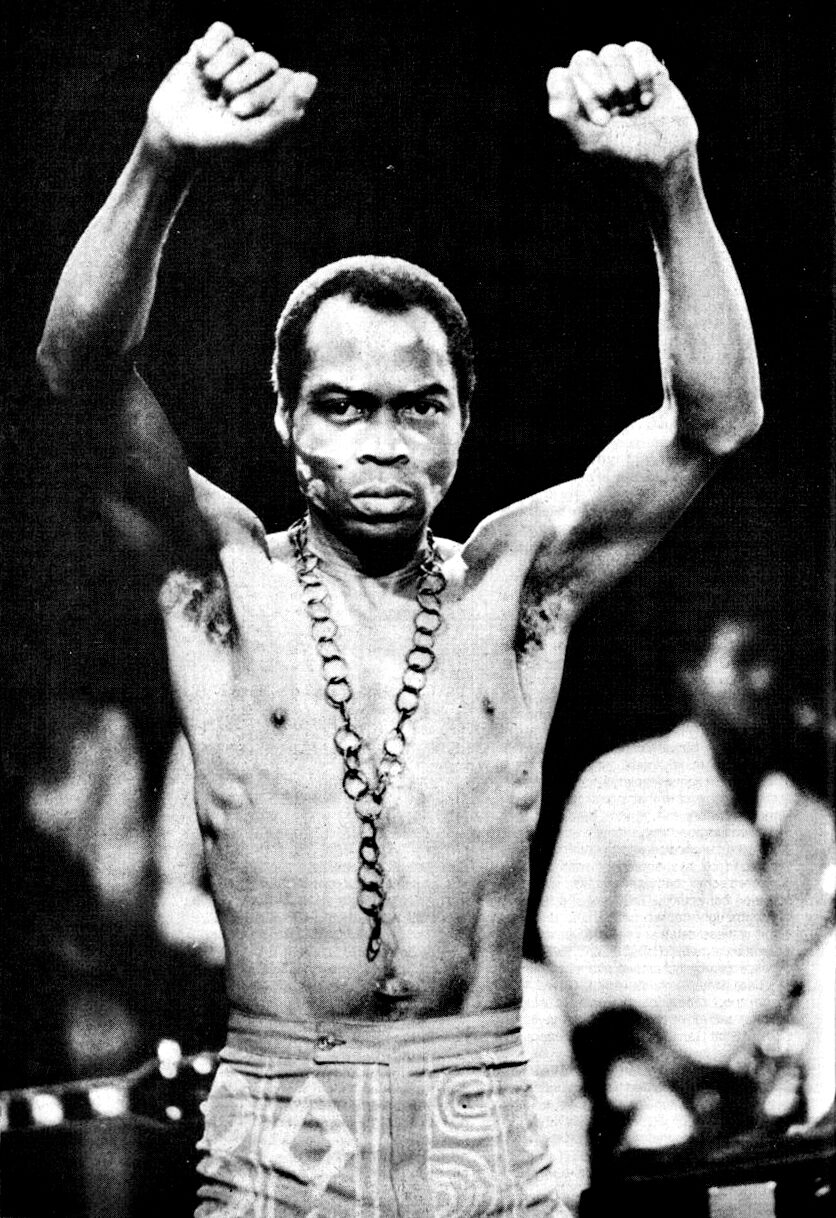
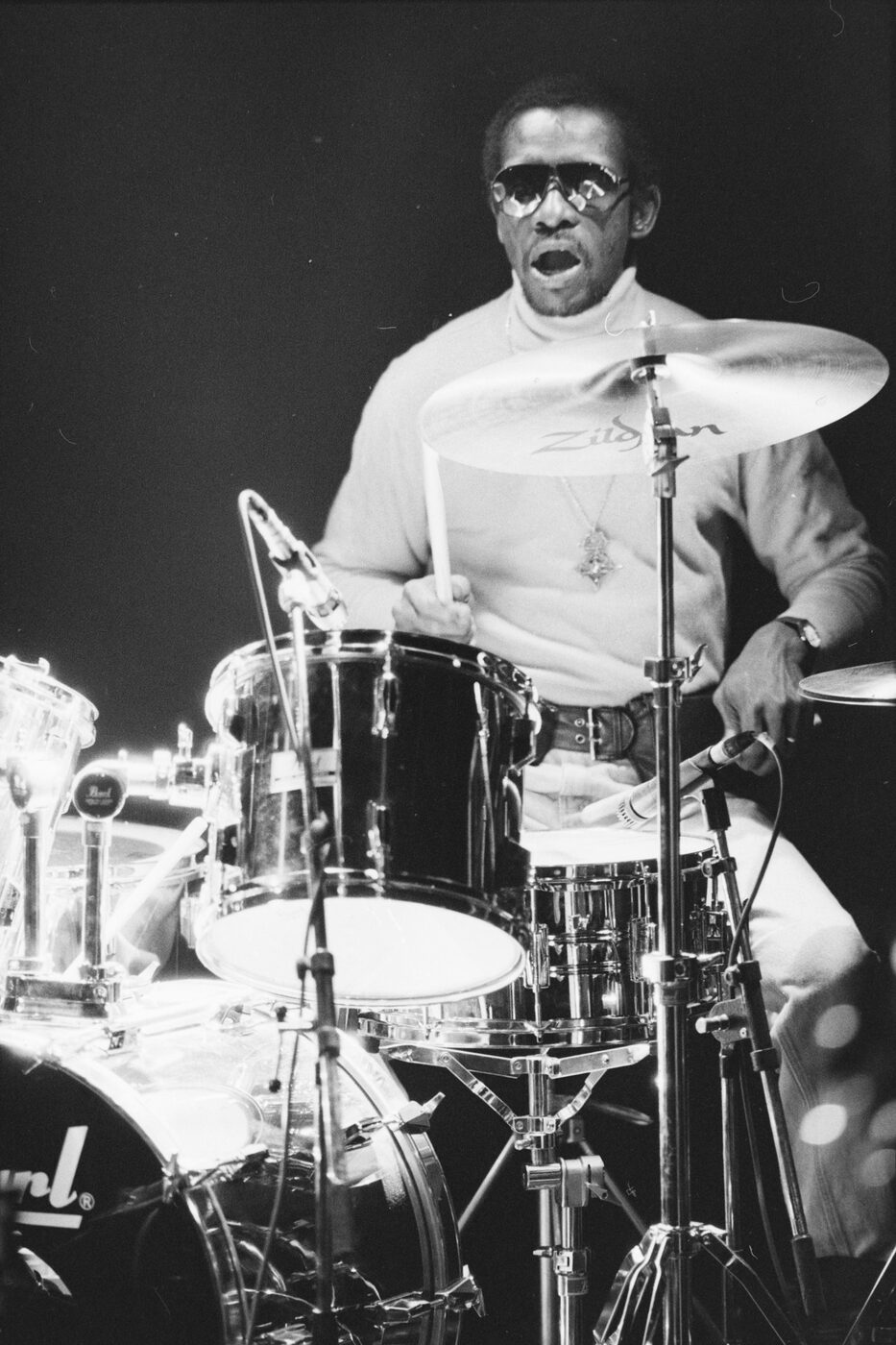
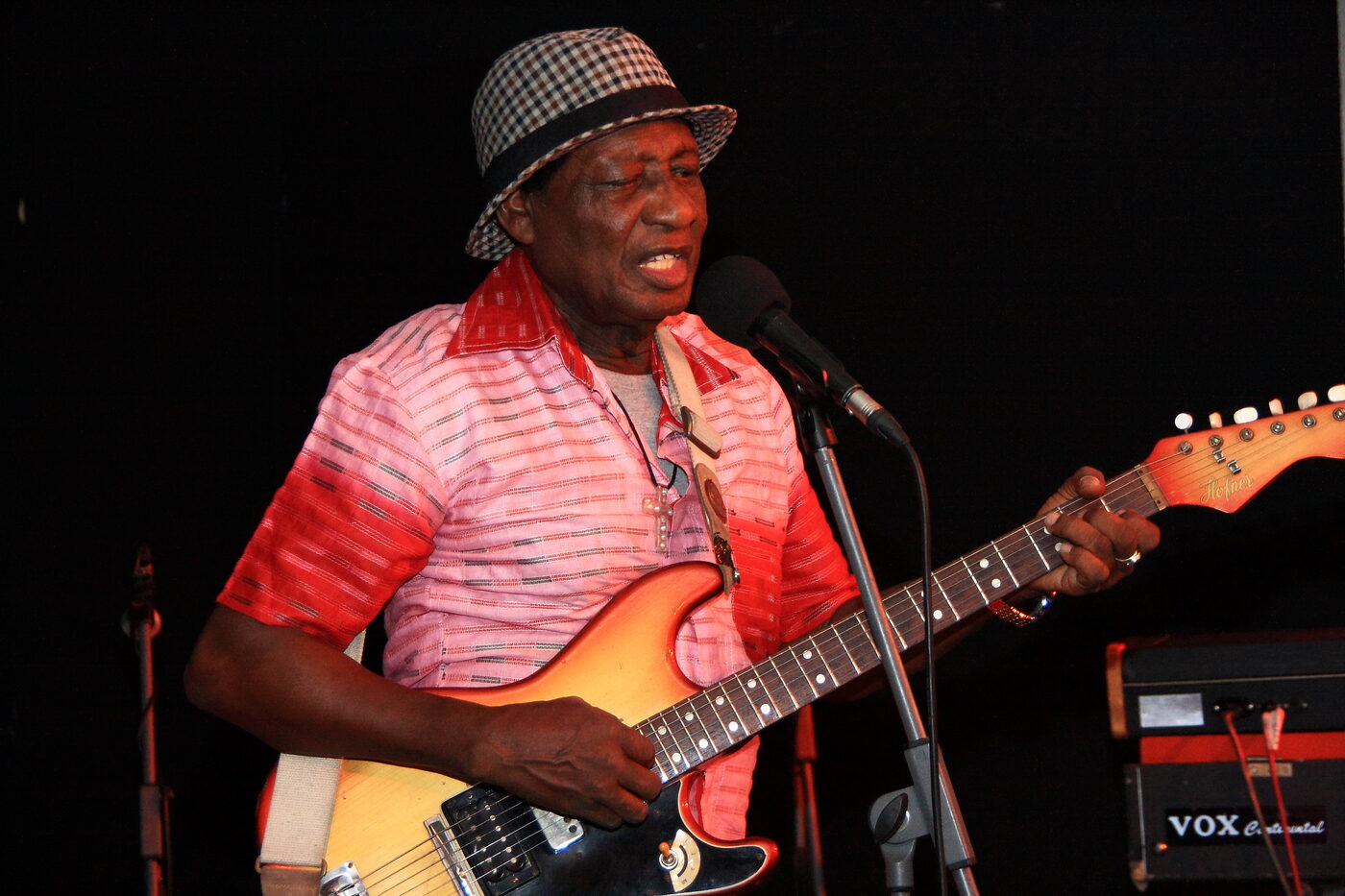


Afrobeat grew out of highlife, the dance band music of Ghana and Nigeria in the fifties, led by bandleaders such as E.T. Mensah in Accra and Victor Olaiya in Lagos. Fela Kuti played trumpet in that world, and after a stay in the United States in 1969 he joined it to James Brown's funk, jazz horns and Yoruba rhythm, with the drummer Tony Allen in his band Africa 70: long pieces, a whole side of a record each, with sung words against the government. Afrobeats, with an s, is another thing: the pop of Lagos and Accra since the 2000s, with drum machines, R&B and dancehall in it, which took the old name and went round the world in the 2010s.
Fela's records run from Fela's London Scene and the live album with Ginger Baker in 1971 through Gentleman, Expensive Shit and Zombie to Beasts of No Nation in 1989, and Tony Allen's go from Progress in 1977 to Rejoice with Hugh Masekela. Around them come Manu Dibango's Soul Makossa from Cameroon, Ebo Taylor, Gyedu-Blay Ambolley, Hedzoleh Soundz, Marijata and Pat Thomas from Ghana, Monomono and the Lijadu Sisters from Nigeria, and the Orchestre Poly-Rythmo de Cotonou from Benin. Fela's sons Femi and Seun Kuti and his grandson Made Kuti carry it on. Antibalas in Brooklyn, Newen Afrobeat in Chile, and Ibibio Sound Machine, Kokoroko and Ezra Collective in London play it now. The Afrobeats run from P-Square and D'banj to Davido, Wizkid, Burna Boy, Mr Eazi, Tiwa Savage, Rema, Asake and Tems in Nigeria, and King Promise, Black Sherif and Amaarae in Ghana.
The list has 54 records from 1958 to 2024. It leaves out the singles, where most of highlife and much of Afrobeats was first heard, the compilations of rare seventies records from Nigeria, Ghana and Benin, most of jùjú, fuji, hiplife and amapiano, and the albums Deezer does not have, among them Osibisa's first album, Orlando Julius's Super Afro Soul, Wizkid's Superstar and the records of Lagbaja and the Budos Band. About 41 hours of music, 5 days of a few records each.
By genre
- World 66%
- Soul & R&B 17%
- Jazz 10%
- Other 7%
The genres named most: afrobeat, afrobeats, jazz, highlife, funk, afro-funk.
The colours of the covers
A stripe for each cover, in the colour Tidal picks from it, sorted by hue; the greys at the end.
Where the music comes from
Music from 6 countries: Nigeria 33, Ghana 10, United Kingdom 4, United States 2, Cameroon 1 and 1 more. The deeper the colour, the more albums: one, two to four, five to nine, ten and more.
The 1950s
A Star of AfricaE.T. Mensah · 1958
The 1970s
Fela's London SceneFela Kuti · 1971
Live!Fela Kuti · 1971
ShakaraFela Kuti · 1972
Soul MakossaManu Dibango · 1972
GentlemanFela Kuti · 1973
Hedzoleh SoundzHedzoleh Soundz · 1973
The 1st AlbumOrchestre Poly-Rythmo de Cotonou · 1973
Give the Beggar a ChanceMonomono · 1974
Expensive ShitFela Kuti · 1975
SimigwaGyedu-Blay Ambolley · 1975
DangerThe Lijadu Sisters · 1976
This Is MarijataMarijata · 1976
Ebo TaylorEbo Taylor · 1977
Sorrow, Tears and BloodFela Kuti · 1977
ZombieFela Kuti · 1977
ProgressTony Allen · 1977
The 1980s
Highlife Re-IncarnationVictor Olaiya · 1982
Beasts of No NationFela Kuti · 1989
The 1990s
Femi KutiFemi Kuti · 1995
Shoki ShokiFemi Kuti · 1998
Black VoicesTony Allen · 1999
The 2000s
Liberation Afrobeat Vol. 1Antibalas · 2001
Get SquaredP-Square · 2005
SecurityAntibalas · 2007
The EntertainerD'banj · 2008
Day by DayFemi Kuti · 2008
Many ThingsSeun Kuti · 2008
The 2010s
Love & DeathEbo Taylor · 2010
Omo Baba Olowo: The GenesisDavido · 2012
Ibibio Sound MachineIbibio Sound Machine · 2014
Newen AfrobeatNewen Afrobeat · 2014
Jaiyede AfroOrlando Julius · 2014
Pat Thomas & Kwashibu Area BandPat Thomas · 2015
MadjafalaoOrchestre Poly-Rythmo de Cotonou · 2016
Life Is Eazi, Vol. 1 – Accra to LagosMr Eazi · 2017
African GiantBurna Boy · 2019
You Can't Steal My JoyEzra Collective · 2019
The 2020s
ApolloFireboy DML · 2020
CeliaTiwa Savage · 2020
RejoiceTony Allen · 2020
Made in LagosWizkid · 2020
19 & DangerousAyra Starr · 2021
For(e)wardMade Kuti · 2021
Mr. Money with the VibeAsake · 2022
The Villain I Never WasBlack Sherif · 2022
Where I'm Meant to BeEzra Collective · 2022
5 StarKing Promise · 2022
Could We Be MoreKokoroko · 2022
Rave & RosesRema · 2022
Fountain BabyAmaarae · 2023
TimelessDavido · 2023
Heavier Yet (Lays the Crownless Head)Seun Kuti · 2024
Born in the WildTems · 2024